
Sheet 04 · What we're interested in
What we keep coming back to.
A
Streets and transport
 Essay
Energy and Equity
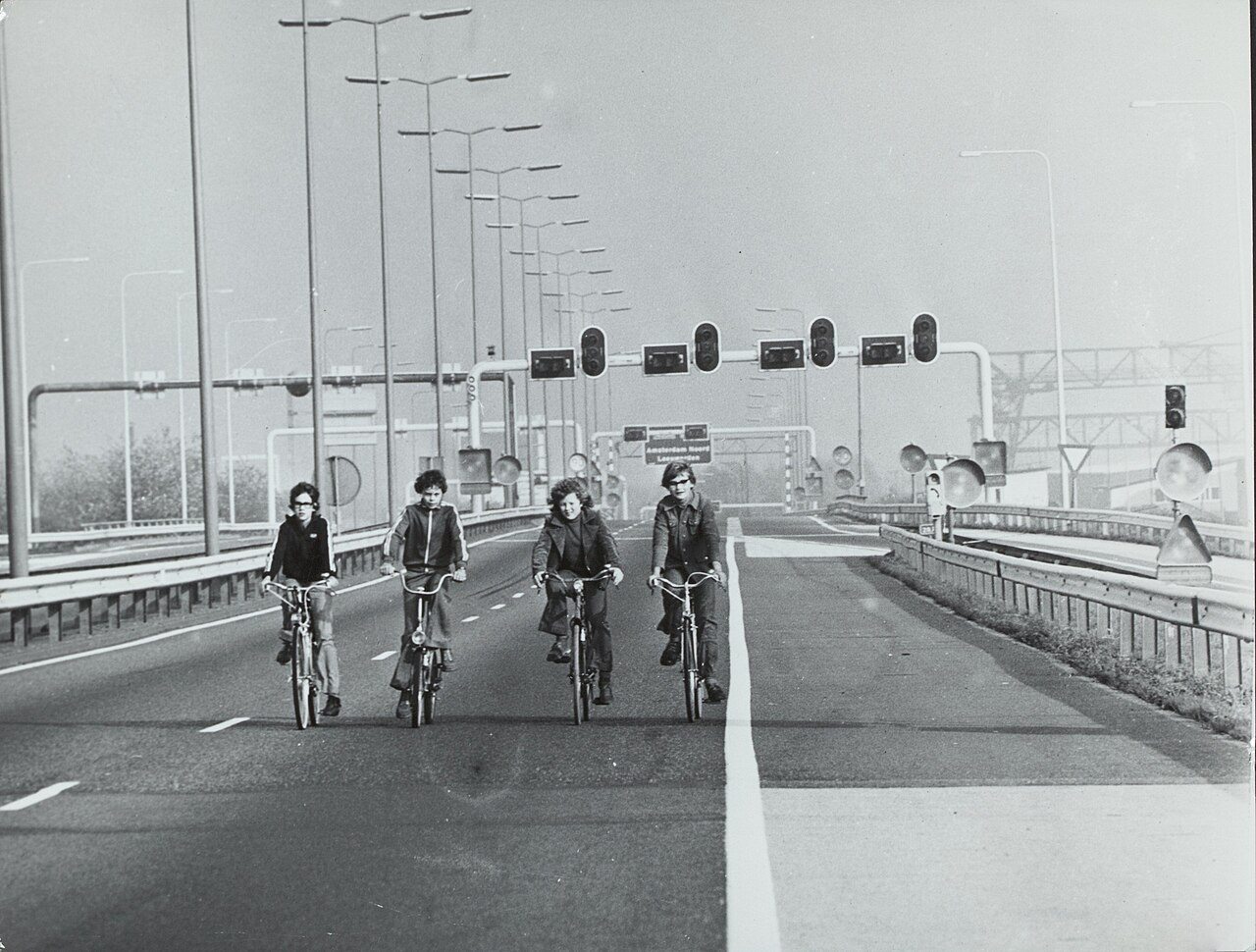
Ivan Illich, 1973 (Le Monde), book 1974
Illich's case that past a certain speed, vehicles take more time and freedom than they give, and that a free society moves at the speed of a bicycle.
 Podcast episode
The Modern Moloch
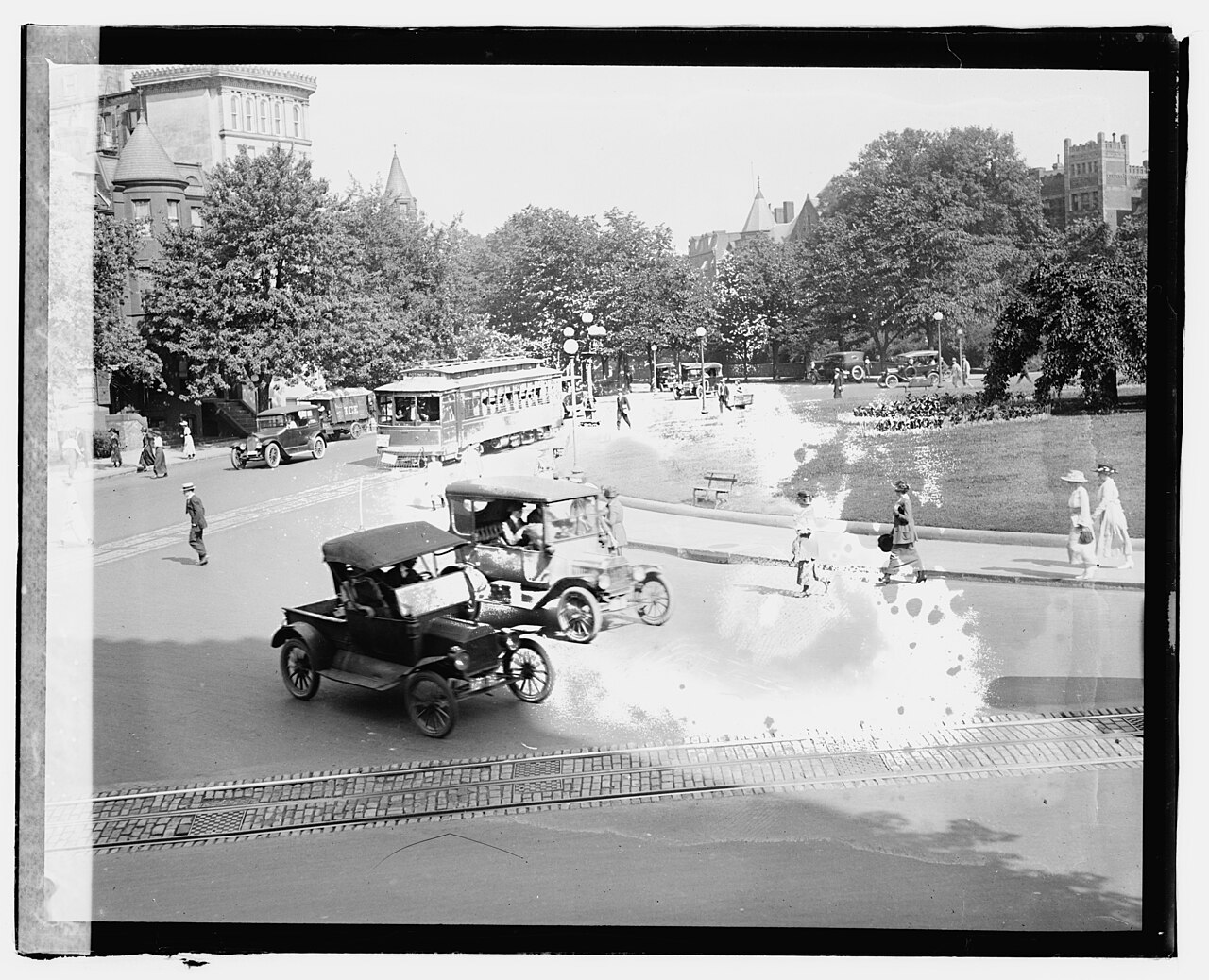
99% Invisible, Roman Mars, 2013
How American streets, once shared by children, walkers and streetcars, were handed to the car, and how motor interests invented the crime of jaywalking.
 Book
Fighting Traffic: The Dawn of the Motor Age in the American City
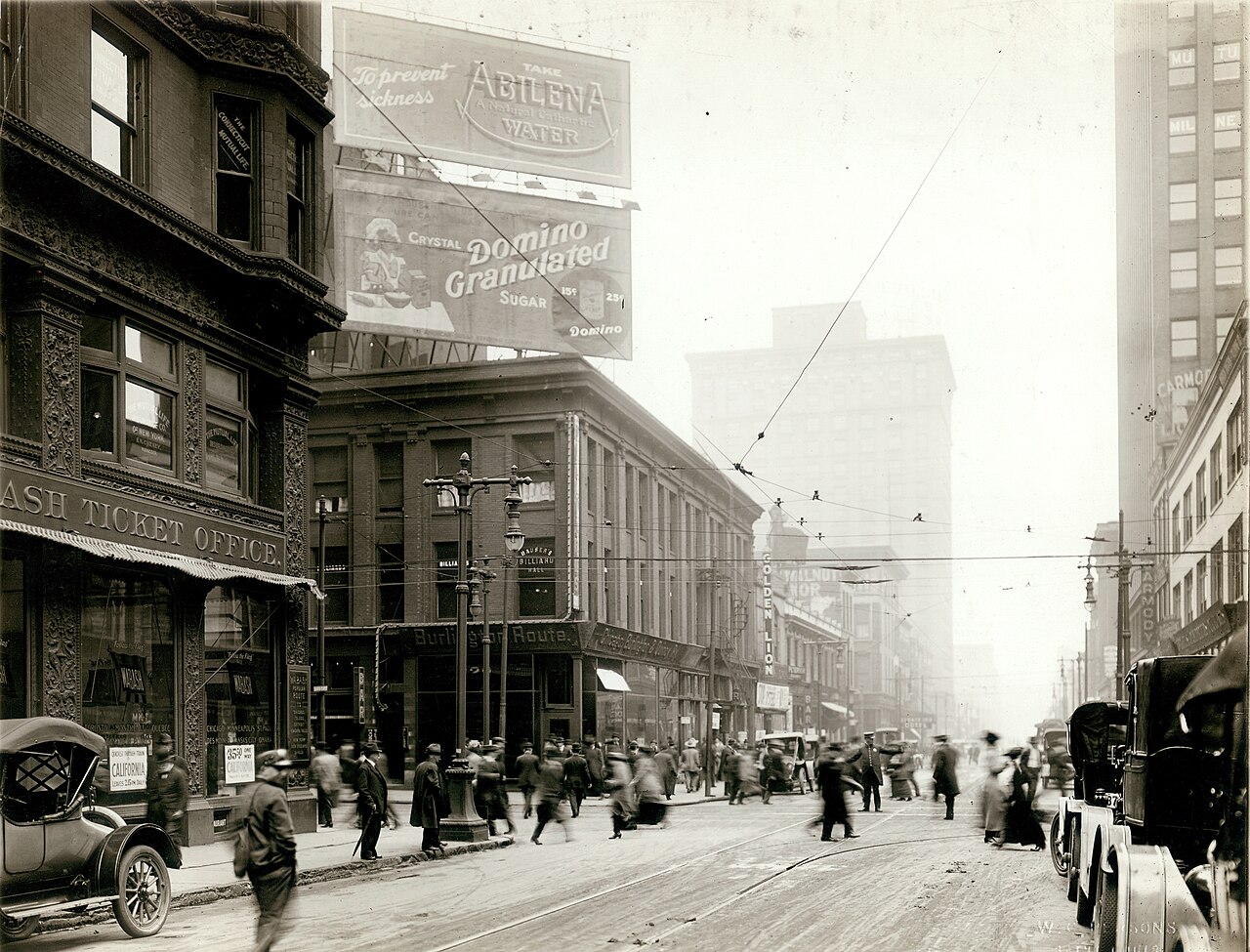
Peter D. Norton, 2008
The history behind that episode: between 1915 and 1930, US city streets were taken from pedestrians and streetcars and redefined as places for cars.
 Book
The Power Broker: Robert Moses and the Fall of New York
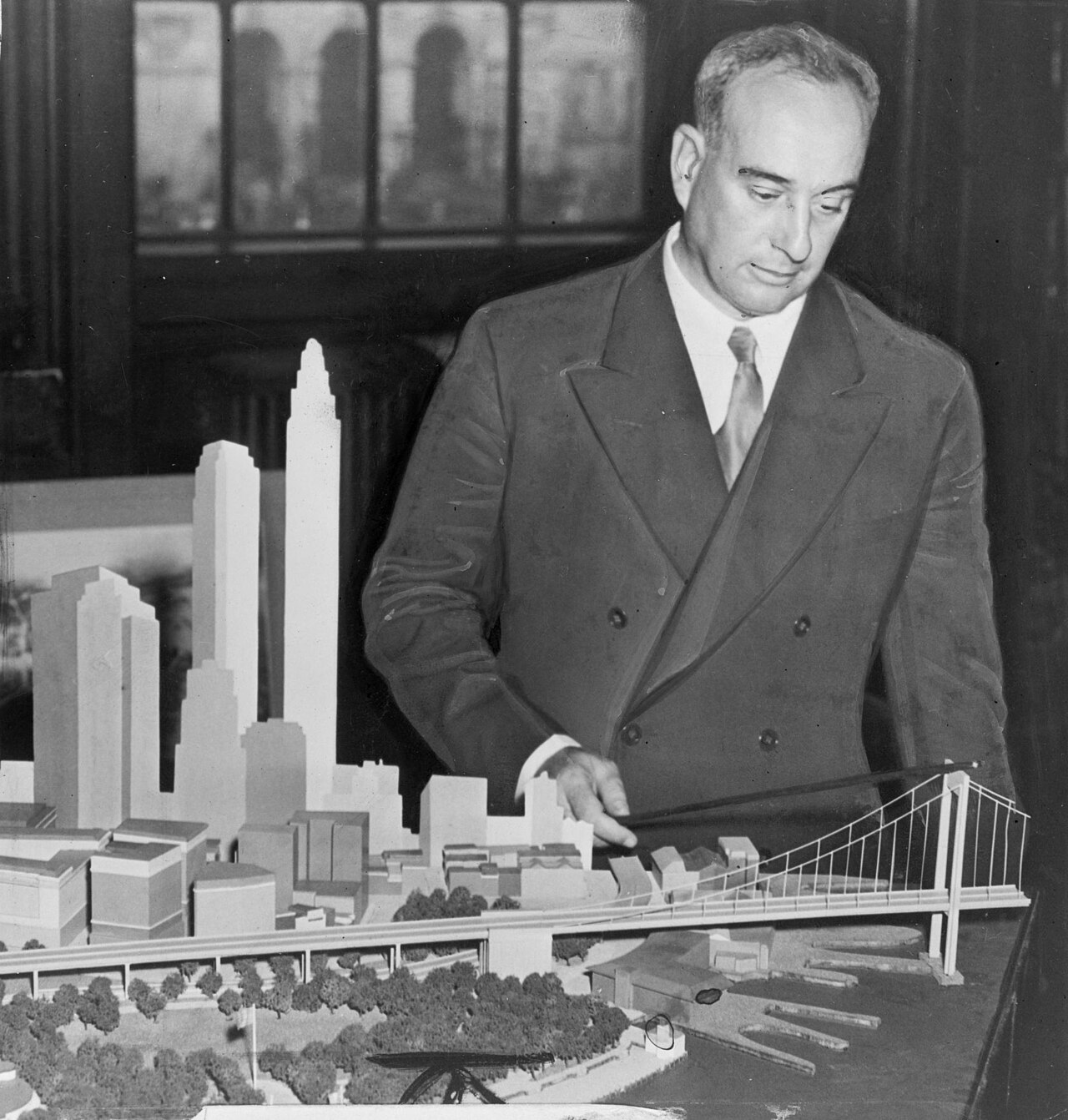
Robert A. Caro, 1974
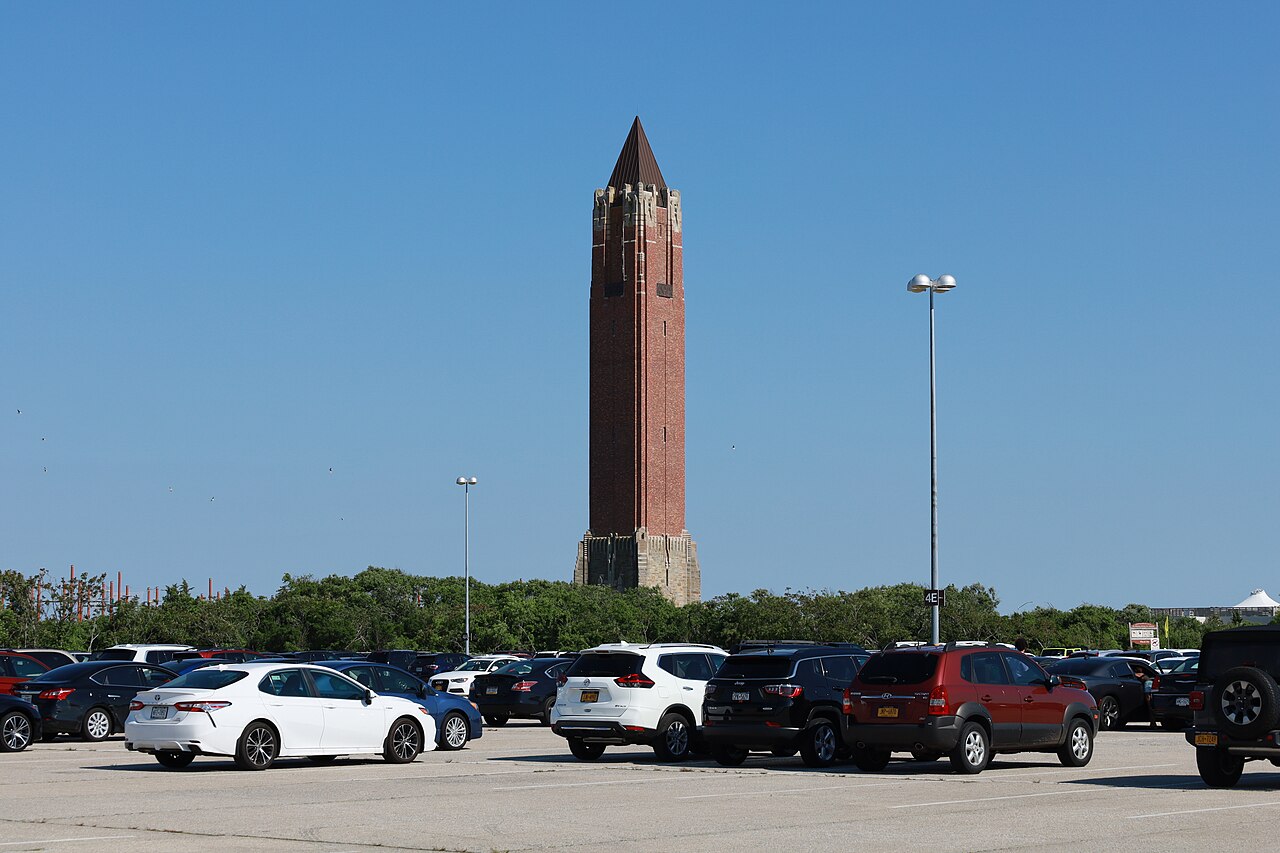
The biography of Robert Moses, the unelected official who built New York's bridges, parkways and expressways for almost fifty years, and who paid the price.
 Podcast
The 99% Invisible Breakdown of The Power Broker
Roman Mars and Elliott Kalan, 2024
A year reading The Power Broker together, a few chapters at a time, with guests from Robert Caro to Alexandria Ocasio-Cortez.
 Podcast episode
Containers: The Ships, the Tugs and the Port
99% Invisible, Alexis Madrigal, 2017
Alexis Madrigal on how the shipping container remade the ports of San Francisco Bay, and with them the work and the geography of world trade.
B
Cargo bikes and micro-hubs
 Report
The Promise of Low-Carbon Freight: Benefits of cargo bikes in London
Ersilia Verlinghieri, Irena Itova, Nicolas Collignon and Rachel Aldred (Possible and the University of Westminster's Active Travel Academy), 2021
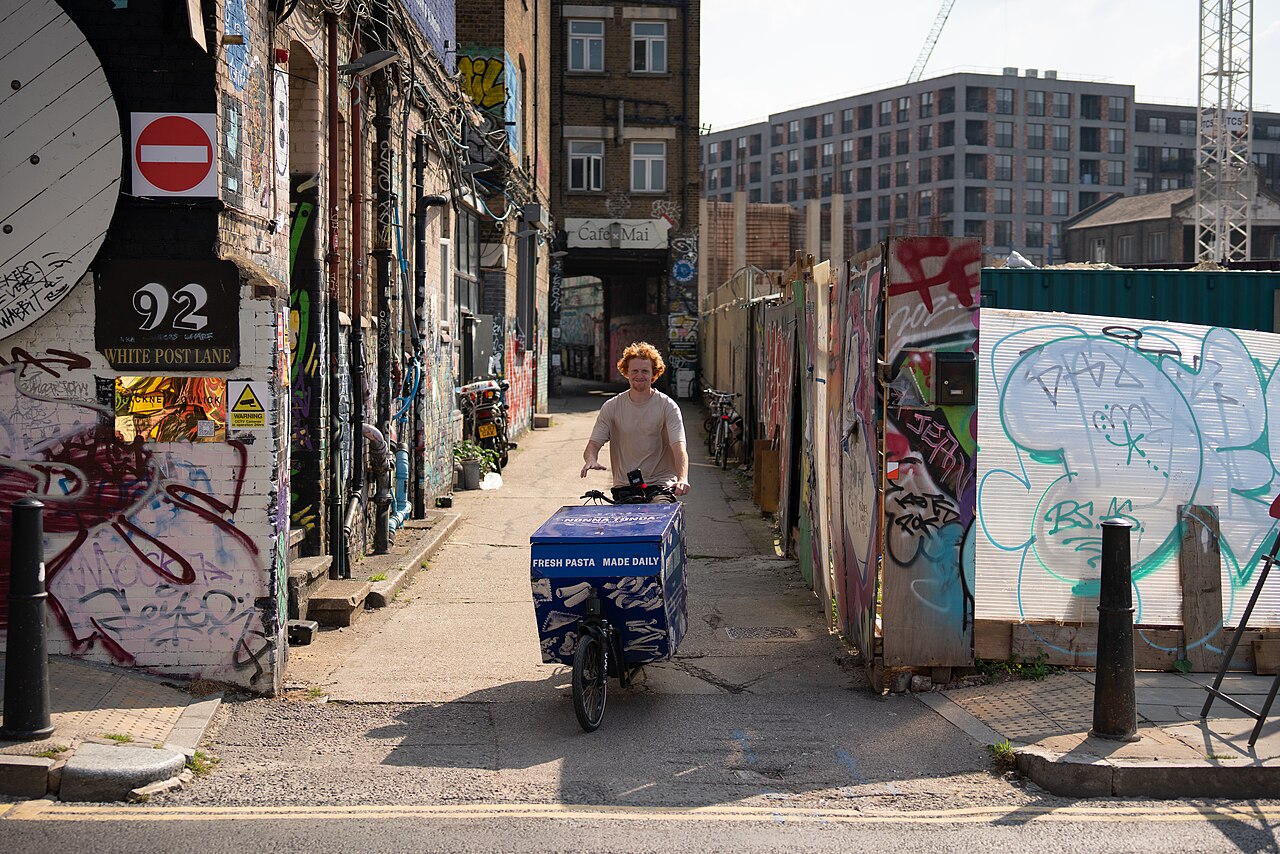
GPS data from 13,735 pick-ups and drop-offs by London's Pedal Me: on the same jobs, cargo bikes were on average 1.61 times faster than vans.
 Report
Delivering Last-Mile Solutions: A feasibility analysis of microhubs and cyclelogistics for urban freight delivery in the GTHA
Janelle Lee, Carolyn Kim and Lindsay Wiginton, Pembina Institute, 2019
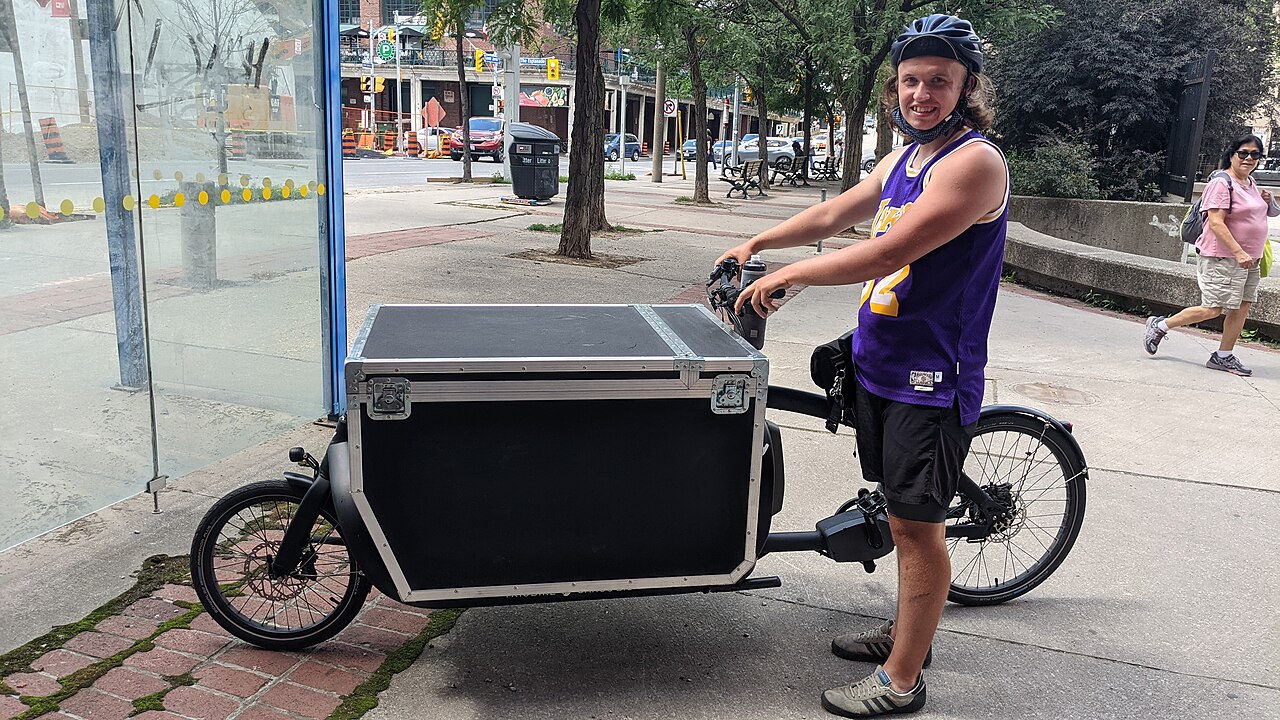
Whether delivery micro-hubs and cargo bikes can cut freight costs and emissions, modelled for the Toronto and Hamilton area, with advice for firms and city councils.
C
Who owns the delivery
Article
Glovo and its Riders: An Unbalanced Relationship
Paul Iano, ARGIA, 2019
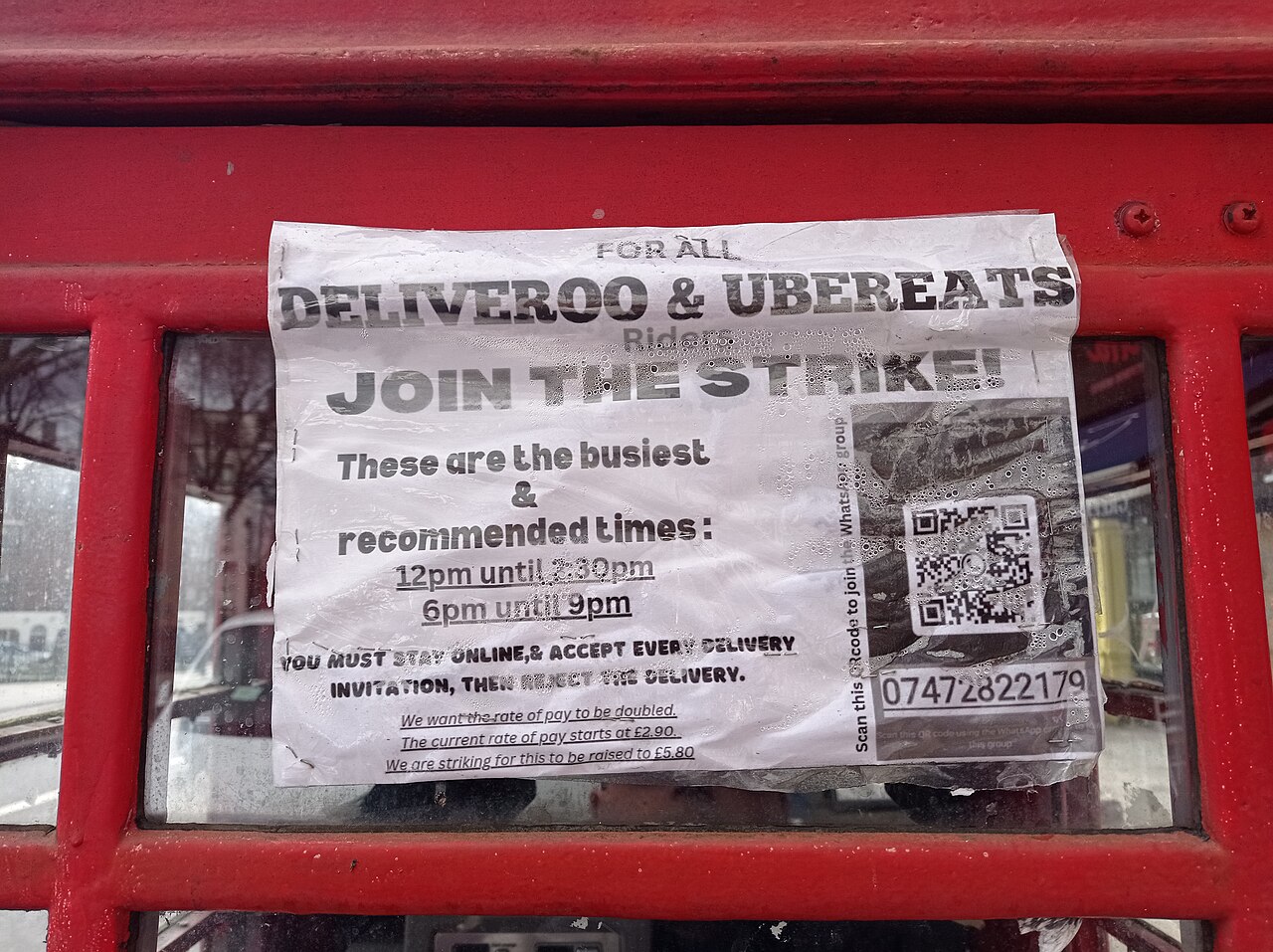
The first of a four-part series on Glovo's business model: three months as a Glovo rider in Vitoria-Gasteiz and dozens of interviews with other riders. The reason Eraman exists.
 Essay
Platform Cooperativism: Challenging the Corporate Sharing Economy
Trebor Scholz, Rosa Luxemburg Stiftung New York Office, 2016
The short founding text: the people who work through apps could own and govern them, as cooperatives, instead of Uber and its kind.
 Report
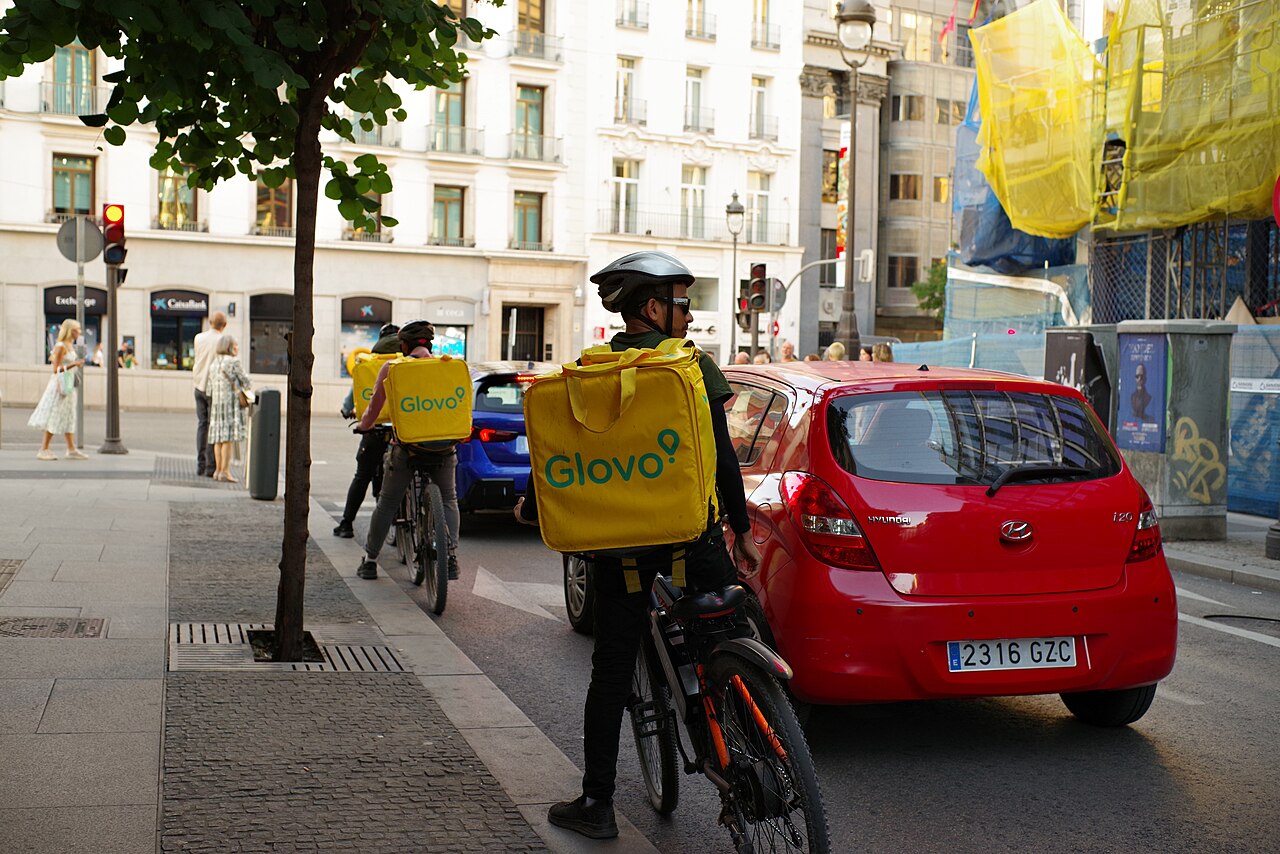
Fairwork Spain 2025 Ratings: Insufficient progress in protecting work on digital platforms
Fairwork Spain team, Fairwork / Oxford Internet Institute, 2025
Glovo, Just Eat, Uber, Cabify and three other platforms working in Spain, scored against five principles of fair work.
Essay
Platform Cooperativism: Challenging the Corporate Sharing Economy
Trebor Scholz, Rosa Luxemburg Stiftung New York Office, 2016
The short founding text: the people who work through apps could own and govern them, as cooperatives, instead of Uber and its kind.
Report
Fairwork Spain 2025 Ratings: Insufficient progress in protecting work on digital platforms
Fairwork Spain team, Fairwork / Oxford Internet Institute, 2025
Glovo, Just Eat, Uber, Cabify and three other platforms working in Spain, scored against five principles of fair work.
D
Tools we build on
 Tool
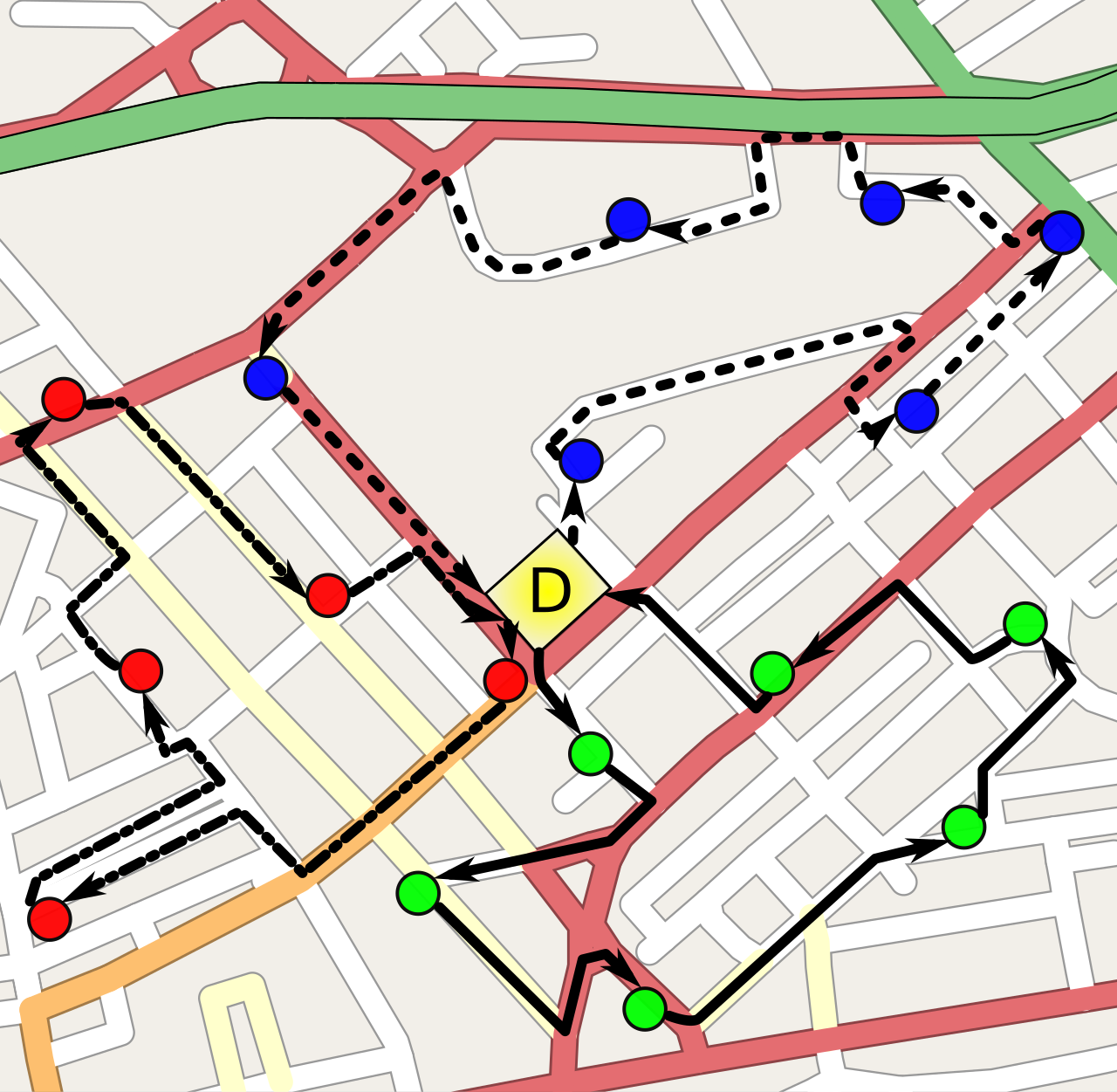
VROOM (Vehicle Routing Open-source Optimization Machine)
VROOM project, maintained by Verso, since 2015
Open-source route optimisation for real delivery problems: time windows, several vehicles, pick-ups and drop-offs, solved in milliseconds.
 Tool
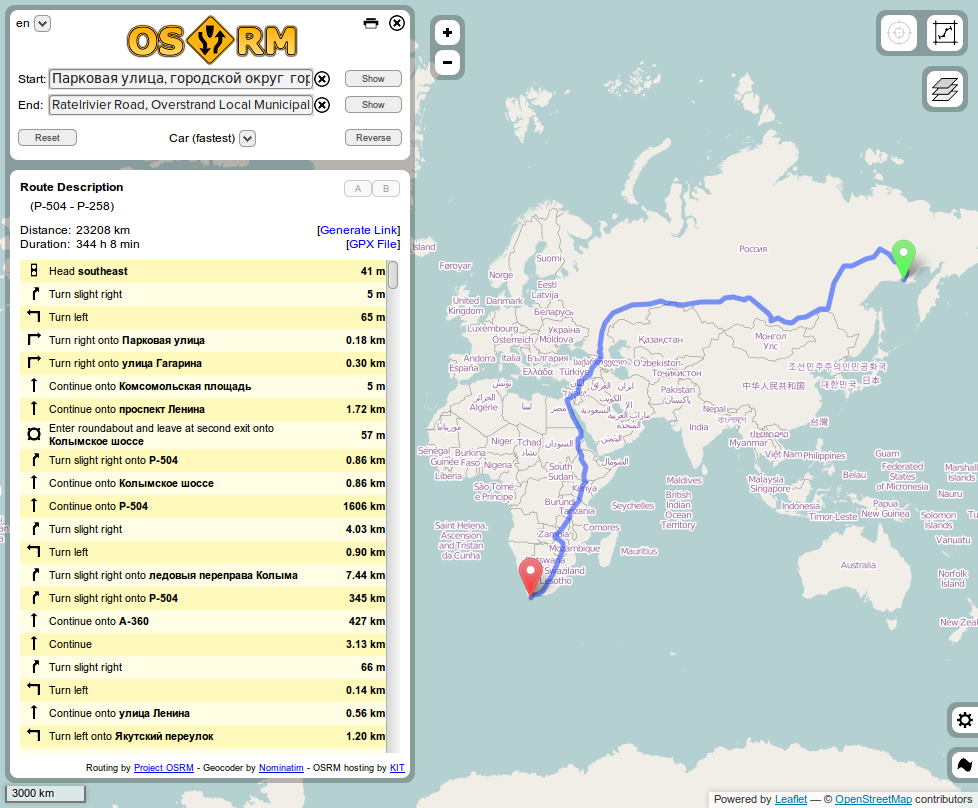
Project OSRM (Open Source Routing Machine)
Project OSRM, since 2011
A fast open-source routing engine on OpenStreetMap data, with car, bike and walking profiles.
 Essay
Local-first software: You own your data, in spite of the cloud
Martin Kleppmann, Adam Wiggins, Peter van Hardenberg and Mark McGranaghan, Ink & Switch, 2019
The case for keeping the main copy of your data on your own devices while still working together in real time.
E
Data spaces
 Report
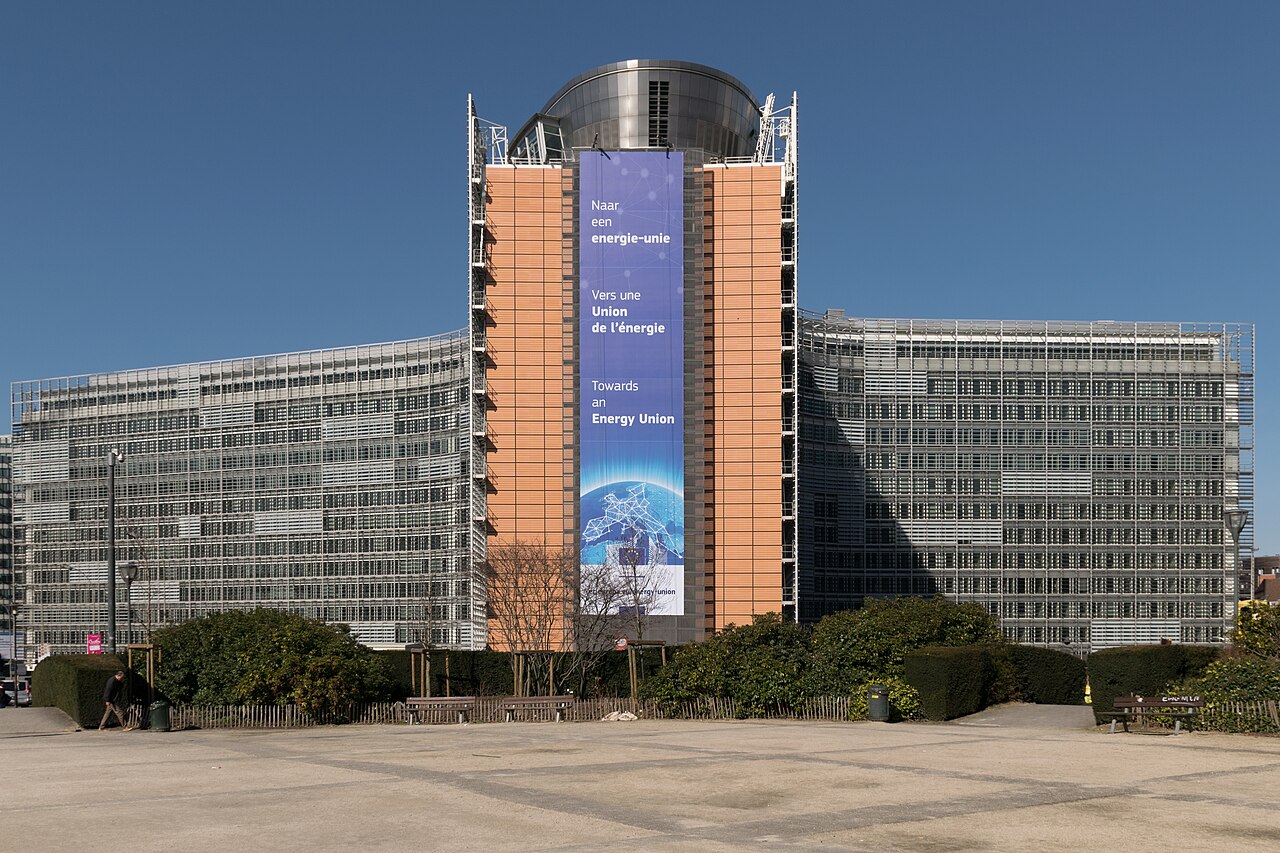
DSSC Blueprint
Data Spaces Support Centre (EU Digital Europe Programme), version 3.0
The EU's reference guide to building and governing a trusted data-sharing space: business, governance, legal and technical building blocks.
 Report
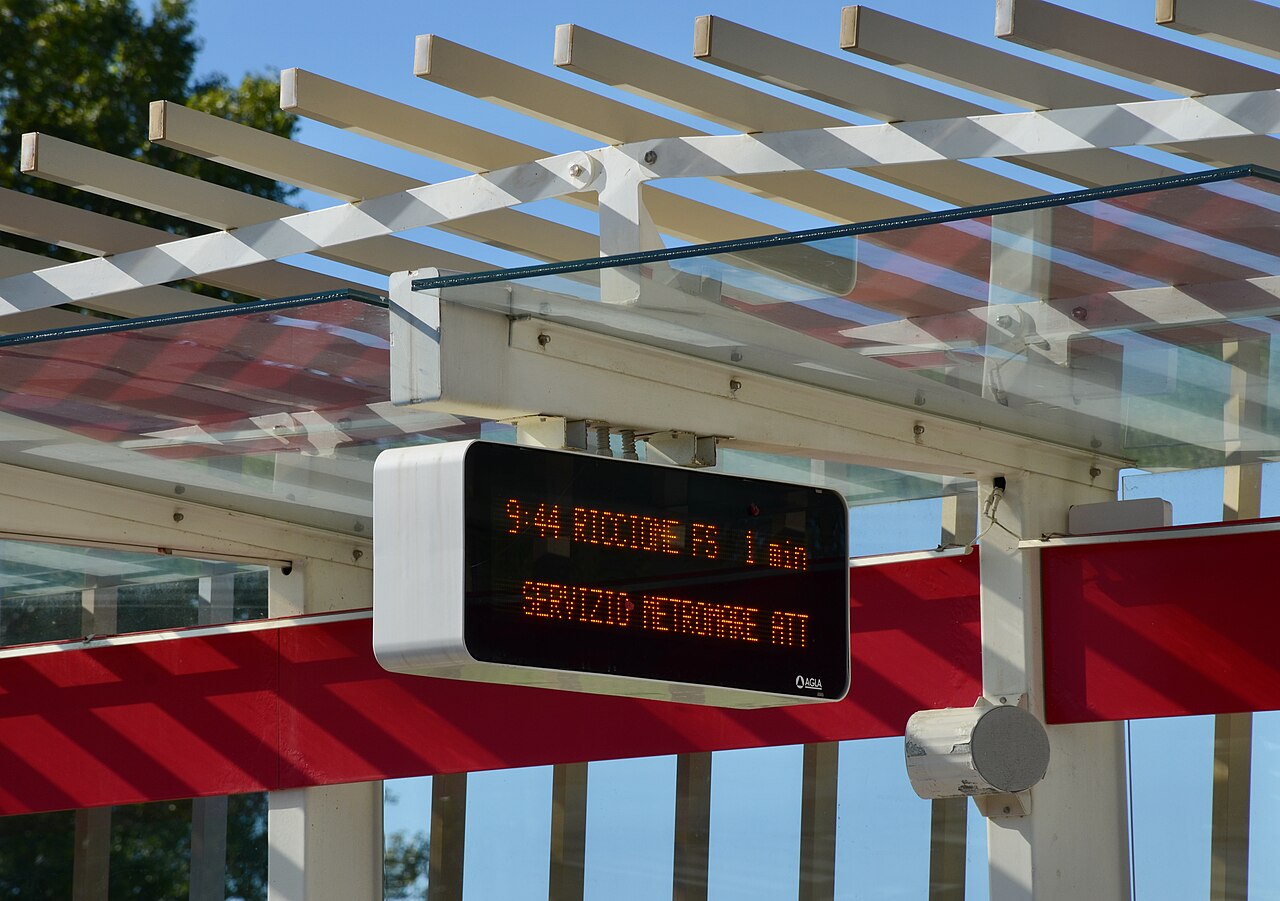
PrepDSpace4Mobility
acatech and EIT Urban Mobility, 2022 to 2023
Mapped Europe's mobility and logistics data ecosystems and proposed shared building blocks for a common European mobility data space.
F
Technology from the left
 Podcast episode
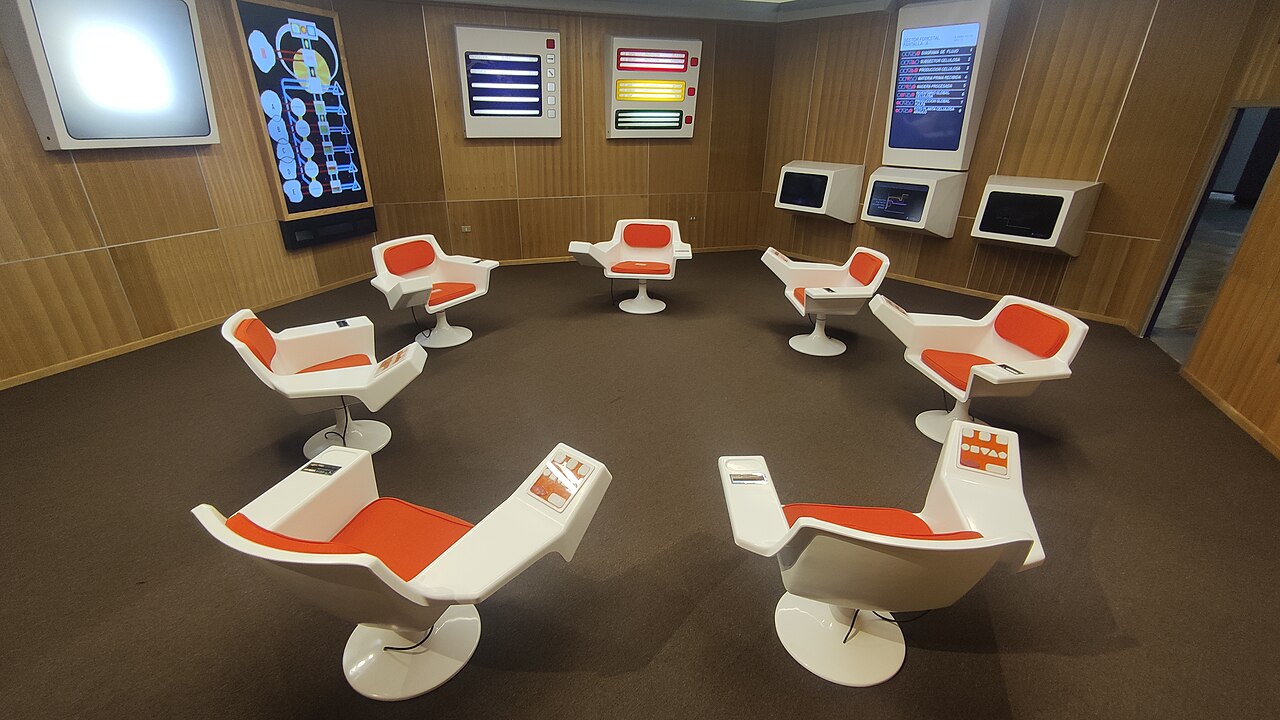
Project Cybersyn
99% Invisible, episode 230, 2016
How Allende's Chile wired its nationalised factories to a control room to steer the economy in real time, until the 1973 coup.
 Podcast
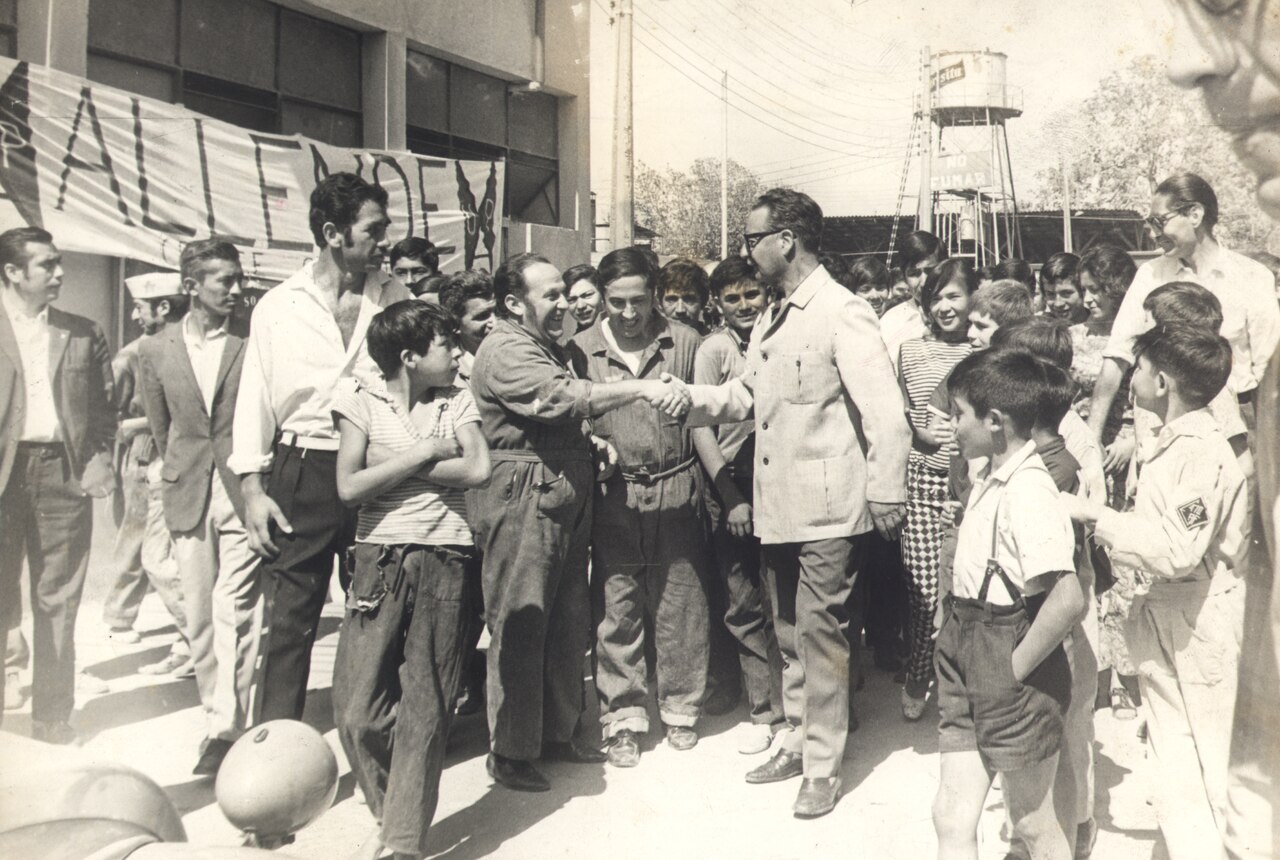
The Santiago Boys
Evgeny Morozov, 2023
The long version of the Cybersyn story: Allende's engineers and a British cybernetician against corporations and spy agencies, and how close they came.
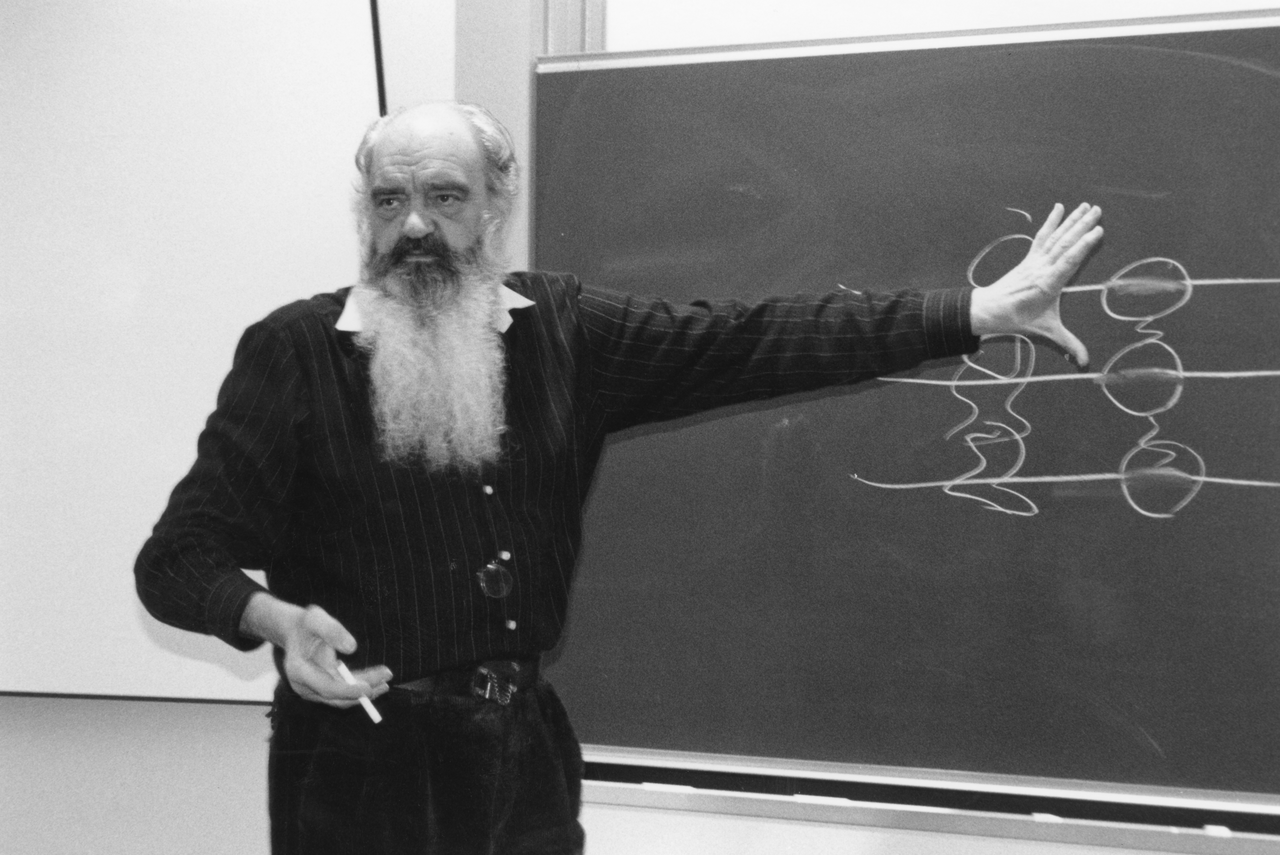 Book
Cybernetic Revolutionaries: Technology and Politics in Allende's Chile
Eden Medina, 2011
The history book behind Cybersyn: how Chile tried to run its nationalised industries with cybernetics, and what that says about technology and politics.
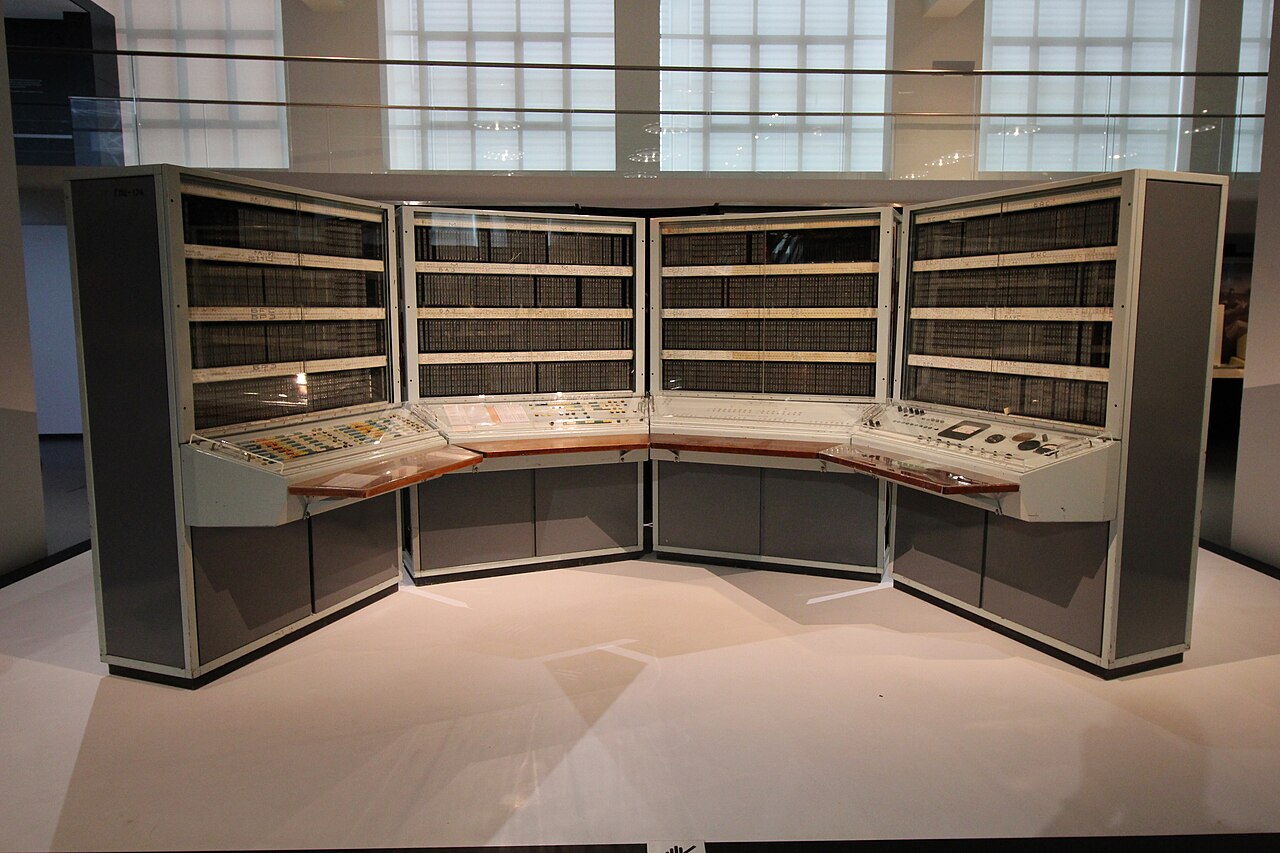 Book
Red Plenty
Francis Spufford, 2010
A novel woven from history about the Soviet dream of an economy planned by mathematics and computers. The link is a free seminar on it, with the author's reply.
 Movement
The Lucas Plan
Lucas Aerospace shop stewards, 1976
Aerospace workers who, facing redundancy in 1976, wrote their own plan to turn arms production towards socially useful products, like this road-rail bus.
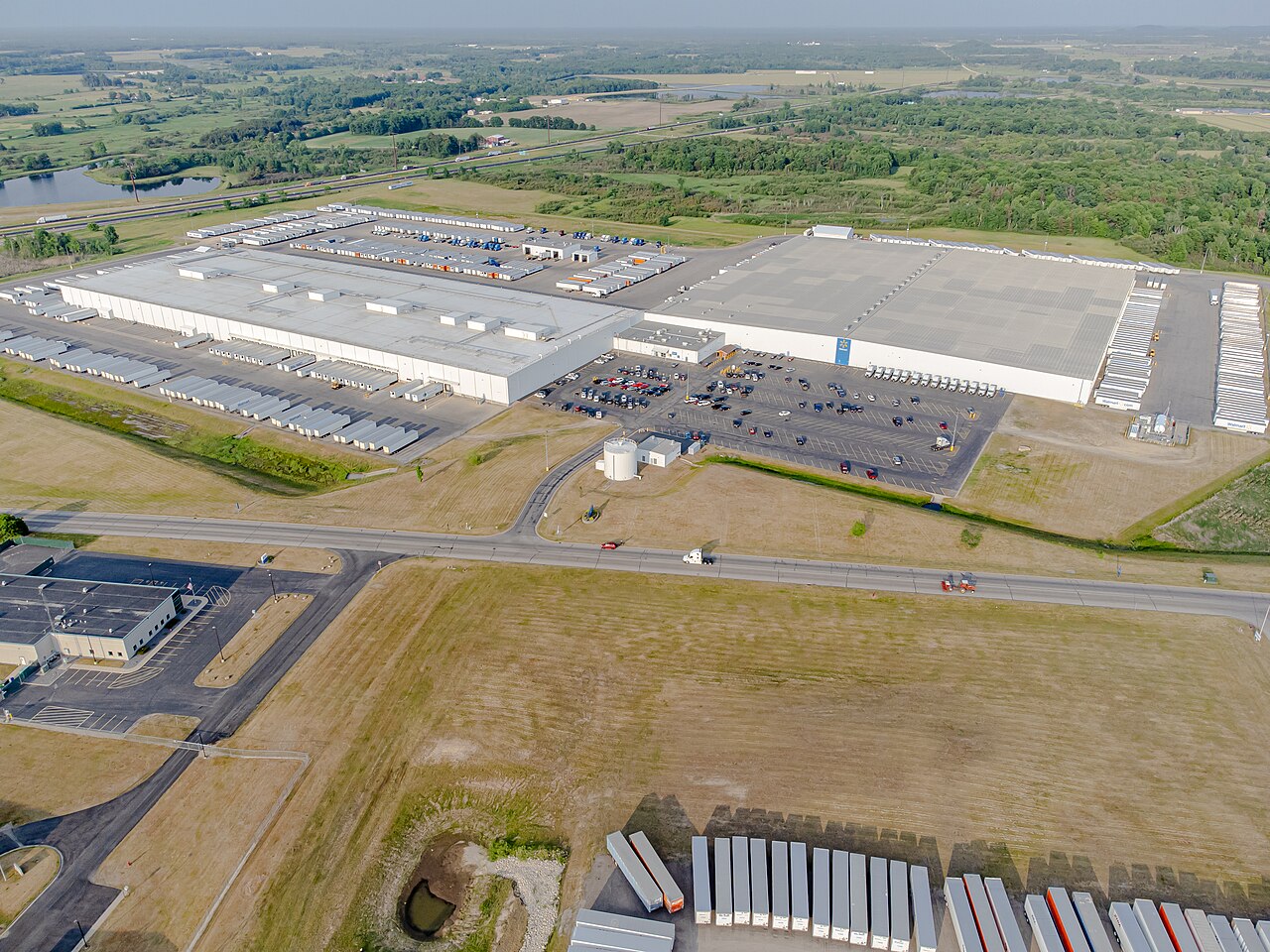 Book
The People's Republic of Walmart
Leigh Phillips and Michal Rozworski, 2019
Giant firms like Walmart already plan huge parts of the economy inside themselves. Could that planning be made democratic?
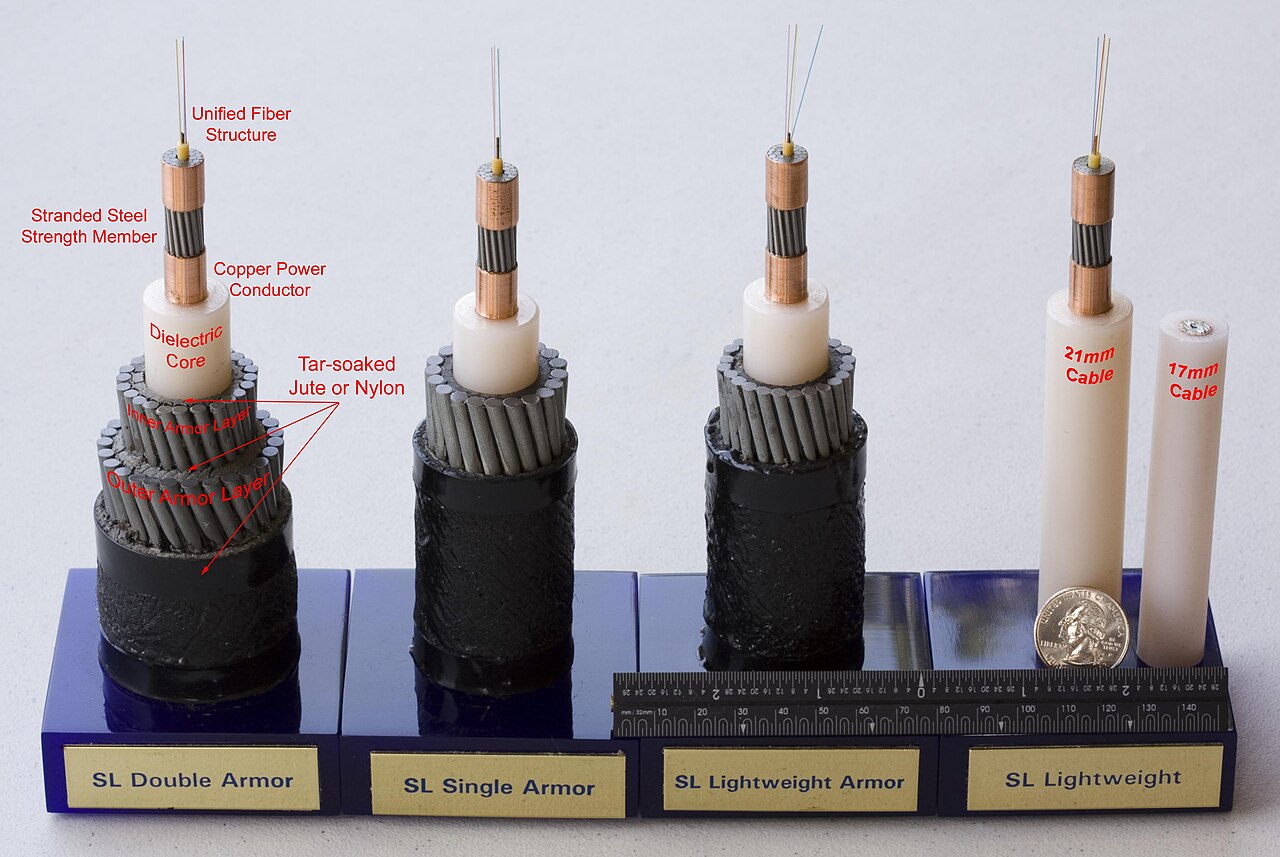 Book
Internet for the People: The Fight for Our Digital Future
Ben Tarnoff, 2022
The internet is broken because it is privately owned and run for profit; the case for a network run publicly and democratically, from the cables up.
 Magazine
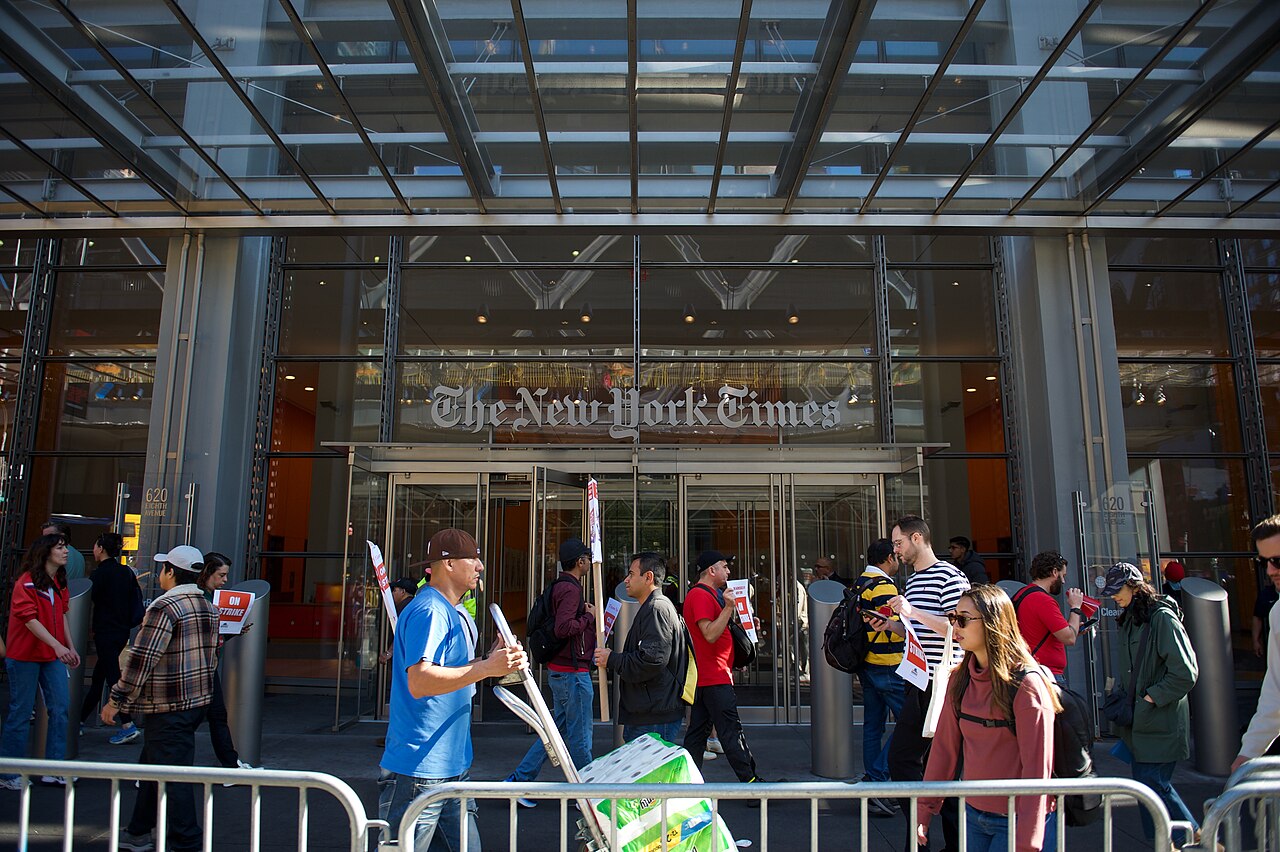
Low-tech Magazine
Kris De Decker, since 2007
Forgotten and low-energy technologies, from heat to transport, published on a solar-powered website that goes offline when it has been cloudy for too long.
 Magazine
Logic(s)
Logic(s) Magazine, since 2017
A magazine about technology seen from below, by the people who build it and the people it is done to. Now once a year.
G
Debt, money and words
 Book
Debt: The First 5,000 Years
David Graeber, 2011
An anthropologist's history of debt from Mesopotamia to today: credit came before coins, and barter economies never existed as the textbooks tell it.
 Book
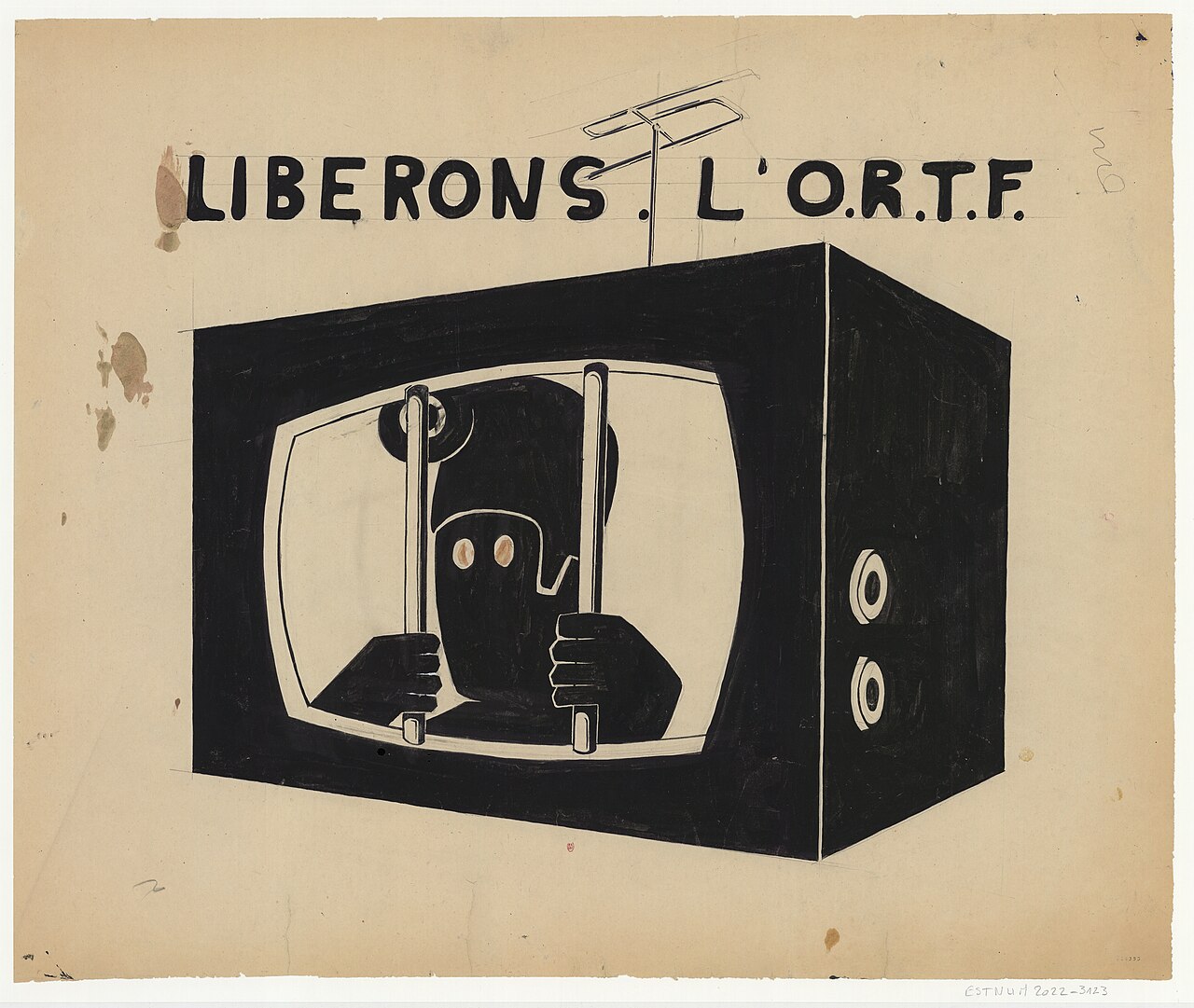
Contradictionary: A Bestiary of Words in Revolt
CrimethInc., 2013
A dictionary of words in revolt, in the tradition of The Devil's Dictionary: capitalism's language turned inside out, entry by entry.
 Book
The Society of the Spectacle
Guy Debord, 1967
221 theses on a society where life is lived through images and their consumption, here in Ken Knabb's free translation.
 Book
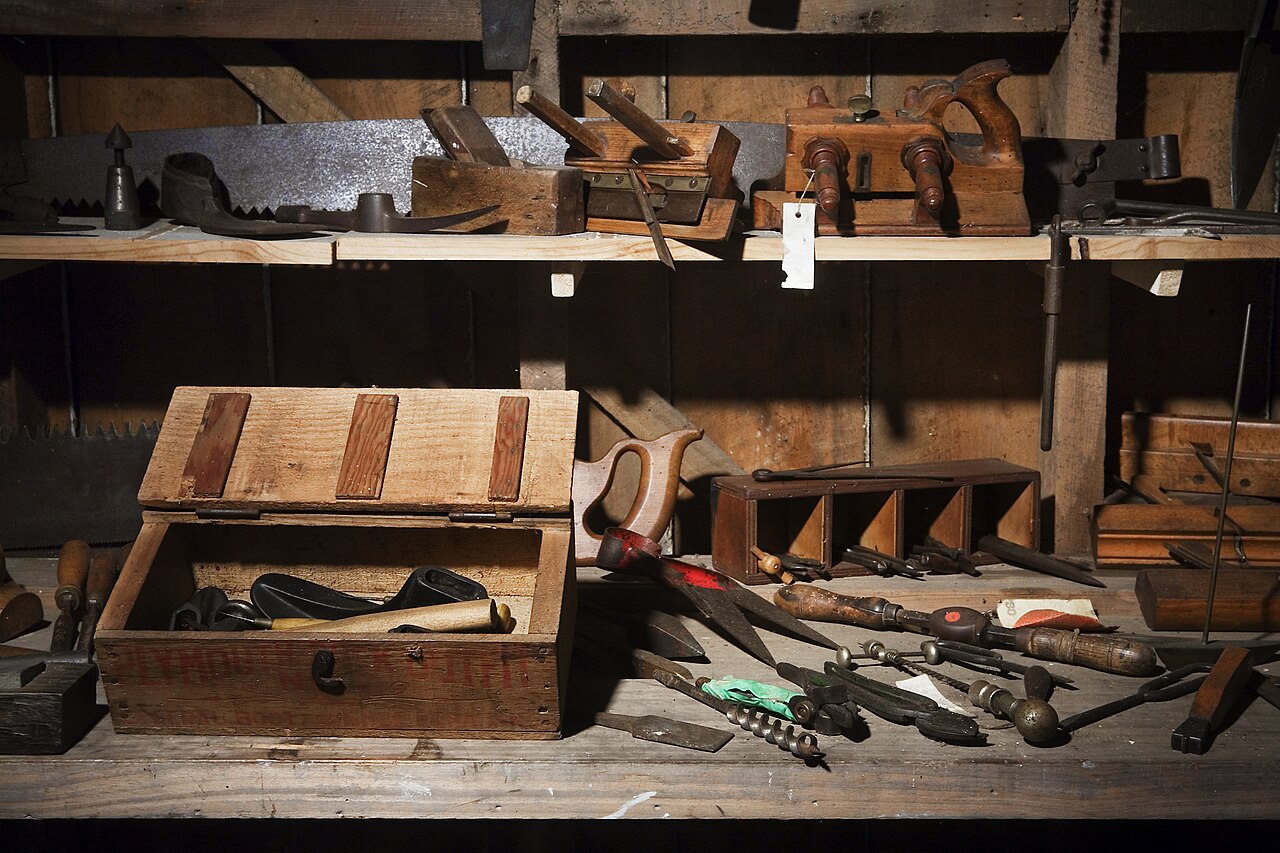
Tools for Conviviality
Ivan Illich, 1973
Tools that grow past a certain size end up controlling the people who use them; Illich's call for tools people can use on their own terms.
H
Modernism, housing and building
 History
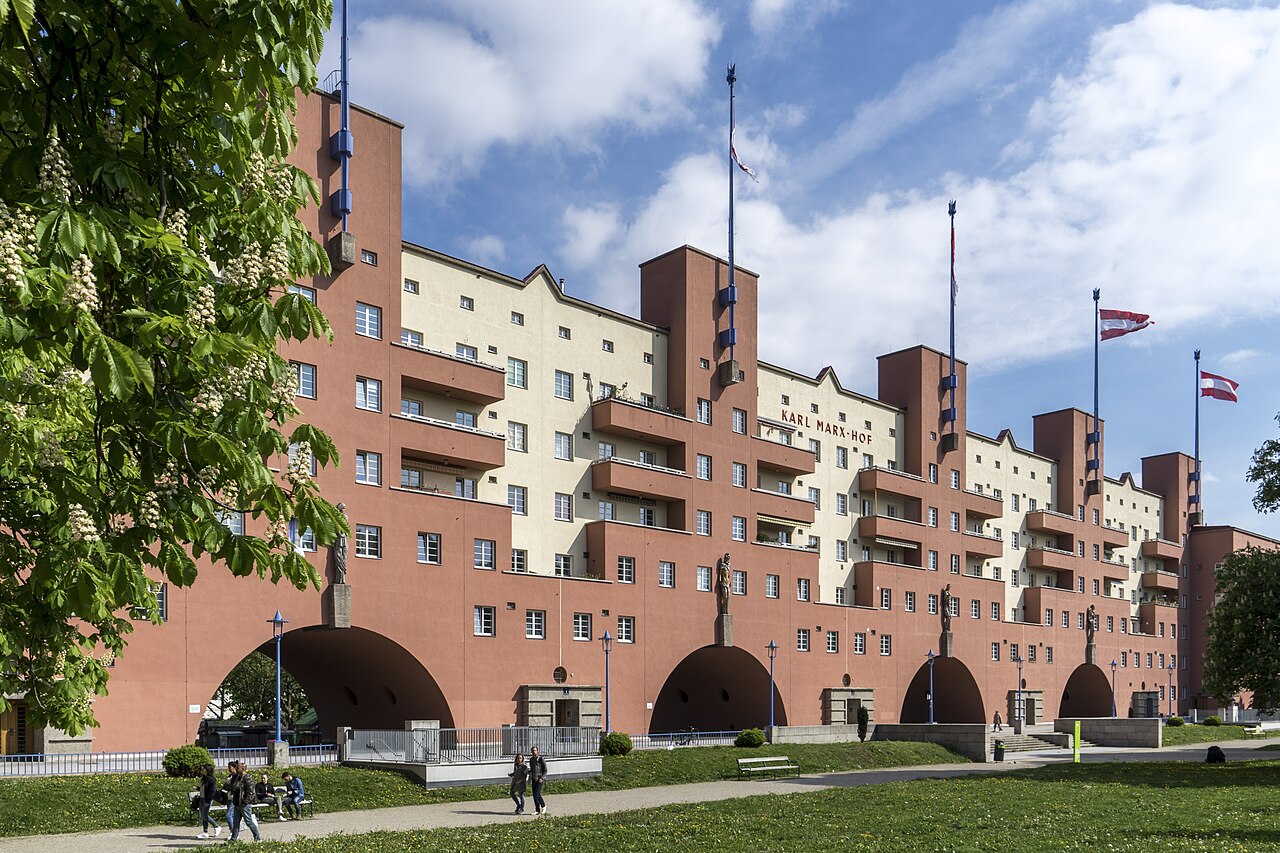
Red Vienna
Social Democratic city government of Vienna, 1919–1934
From 1919 to 1934 Vienna's socialist council built homes for workers on a vast scale, paid for by a tax on luxury. The Karl-Marx-Hof is a kilometre long.
 Article
People's palaces
Alexei Korolyov, Monocle, 2021
Vienna never stopped: most of the city lives in subsidised housing, and two thirds of new housing land is reserved for it. Some estates have pools on the roof.
 Podcast episode
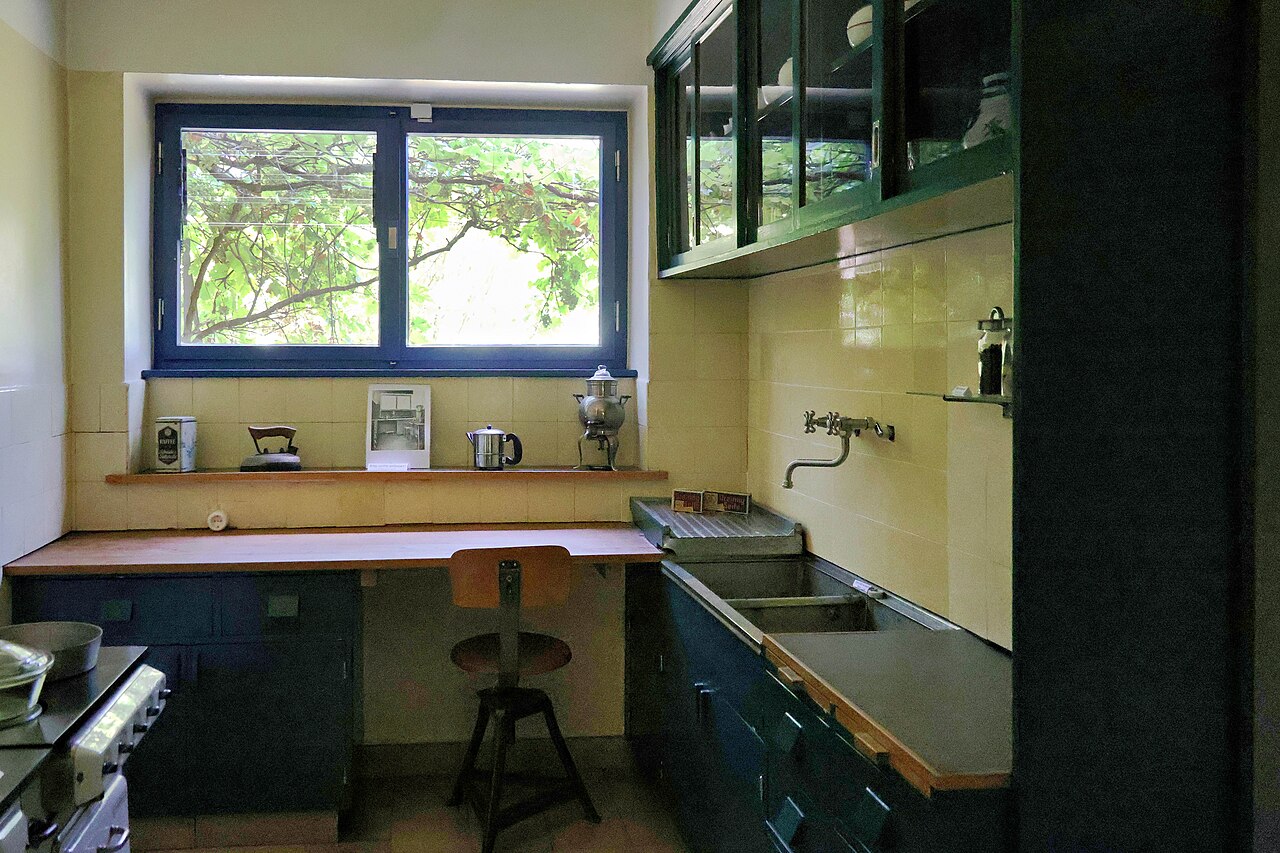
The Frankfurt Kitchen
99% Invisible, 2023
Margarete Schütte-Lihotzky's compact fitted kitchen, designed for Frankfurt's public housing in the 1920s, and the remarkable life of the architect who drew it.
 Artist
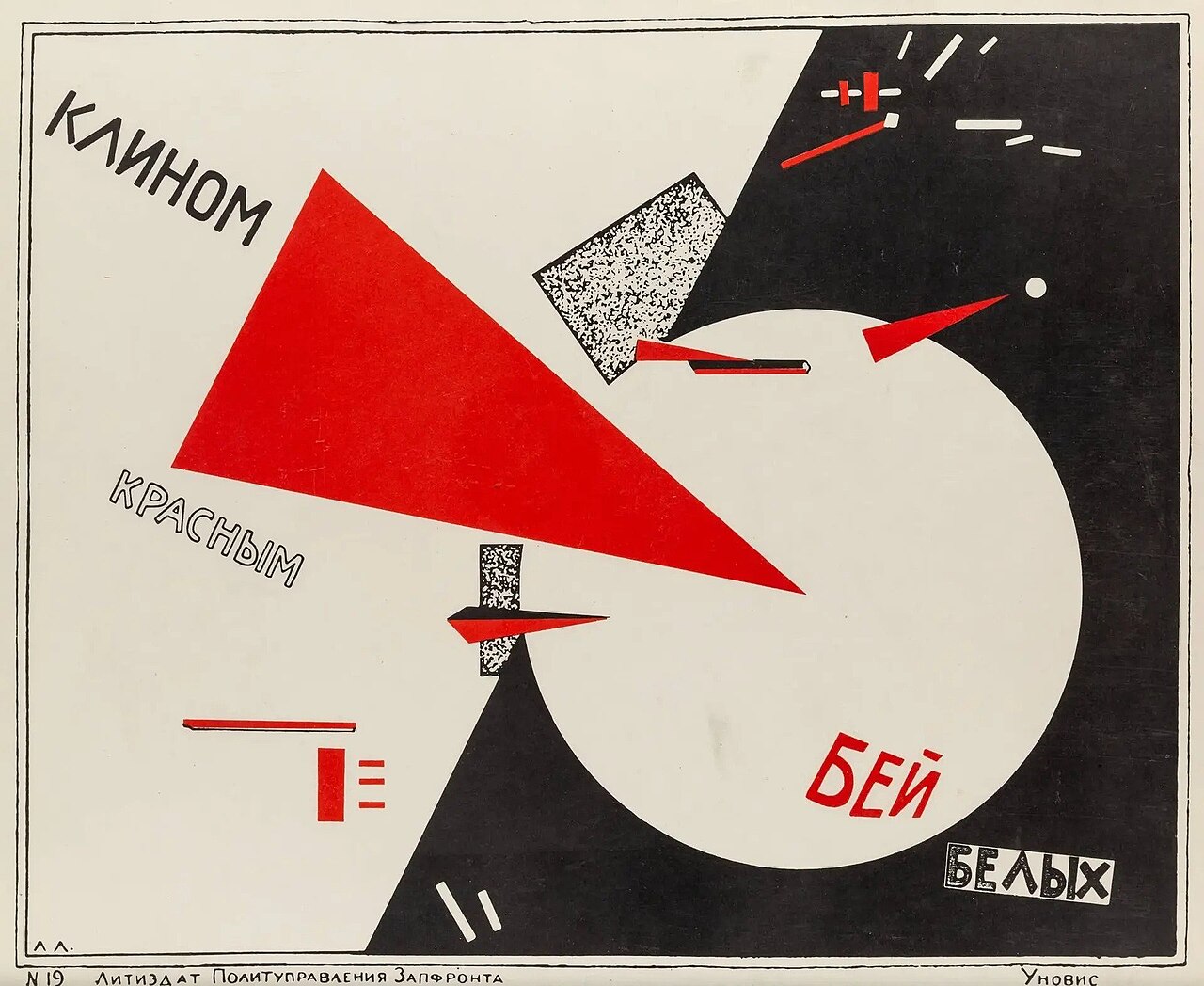
El Lissitzky
El Lissitzky, 1890–1941
Painter, designer, typographer and architect who carried abstract art into posters, books and exhibitions for the revolution. Beat the Whites with the Red Wedge, 1919.
 Essay
Liubov Popova: From Painting to Textile Design
Christina Lodder, Tate Papers 14, 2010
In 1923 Liubov Popova and Varvara Stepanova went to work at a Moscow textile factory and turned Constructivist painting into fabric and clothes for everyday life.
 Tool
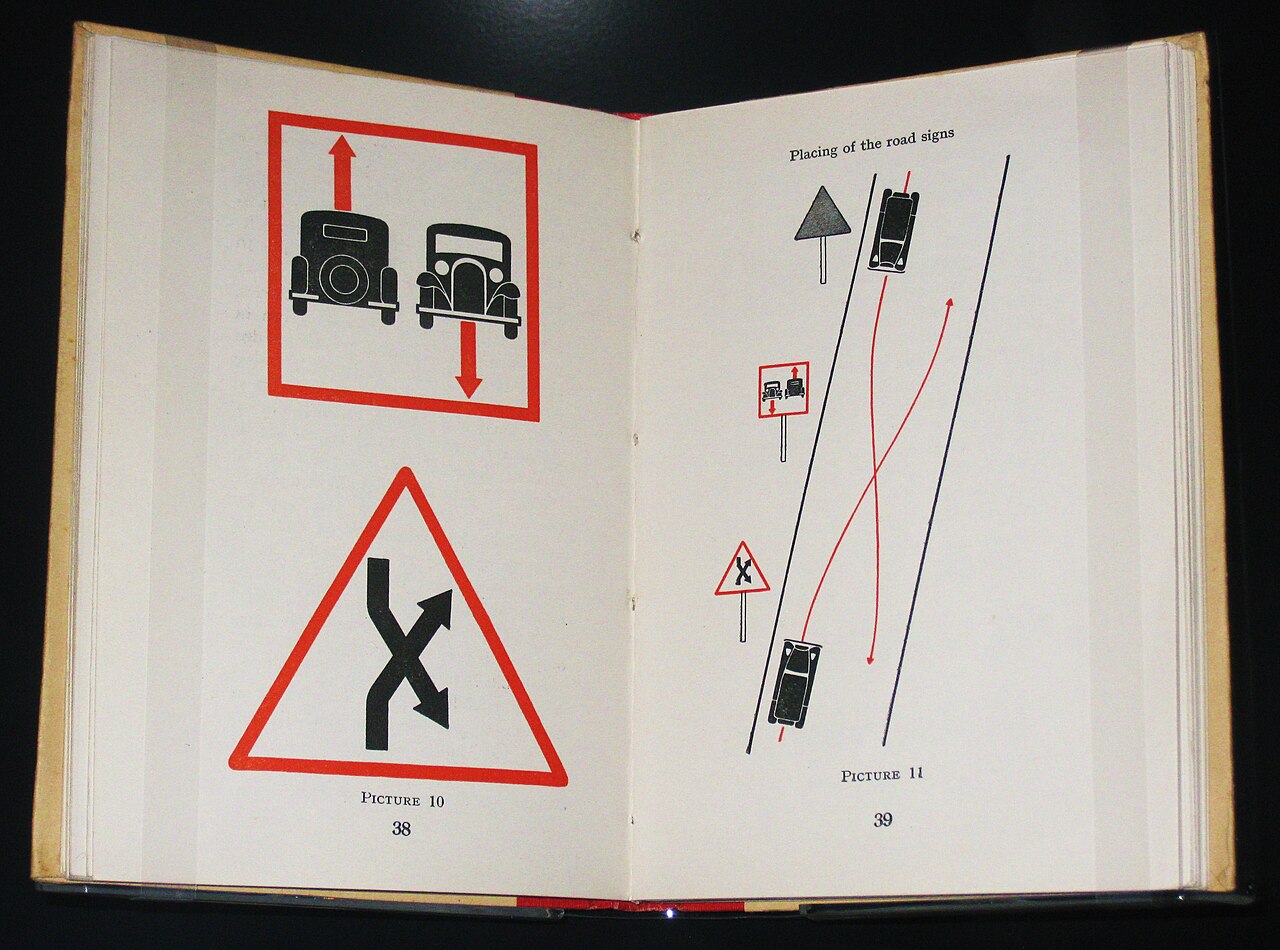
Isotype
Otto Neurath, Marie Neurath and Gerd Arntz, from 1925
The picture language for statistics made in Red Vienna by Otto Neurath, Marie Neurath and Gerd Arntz, where rows of symbols count people and things. The ancestor of every infographic.
 Podcast episode
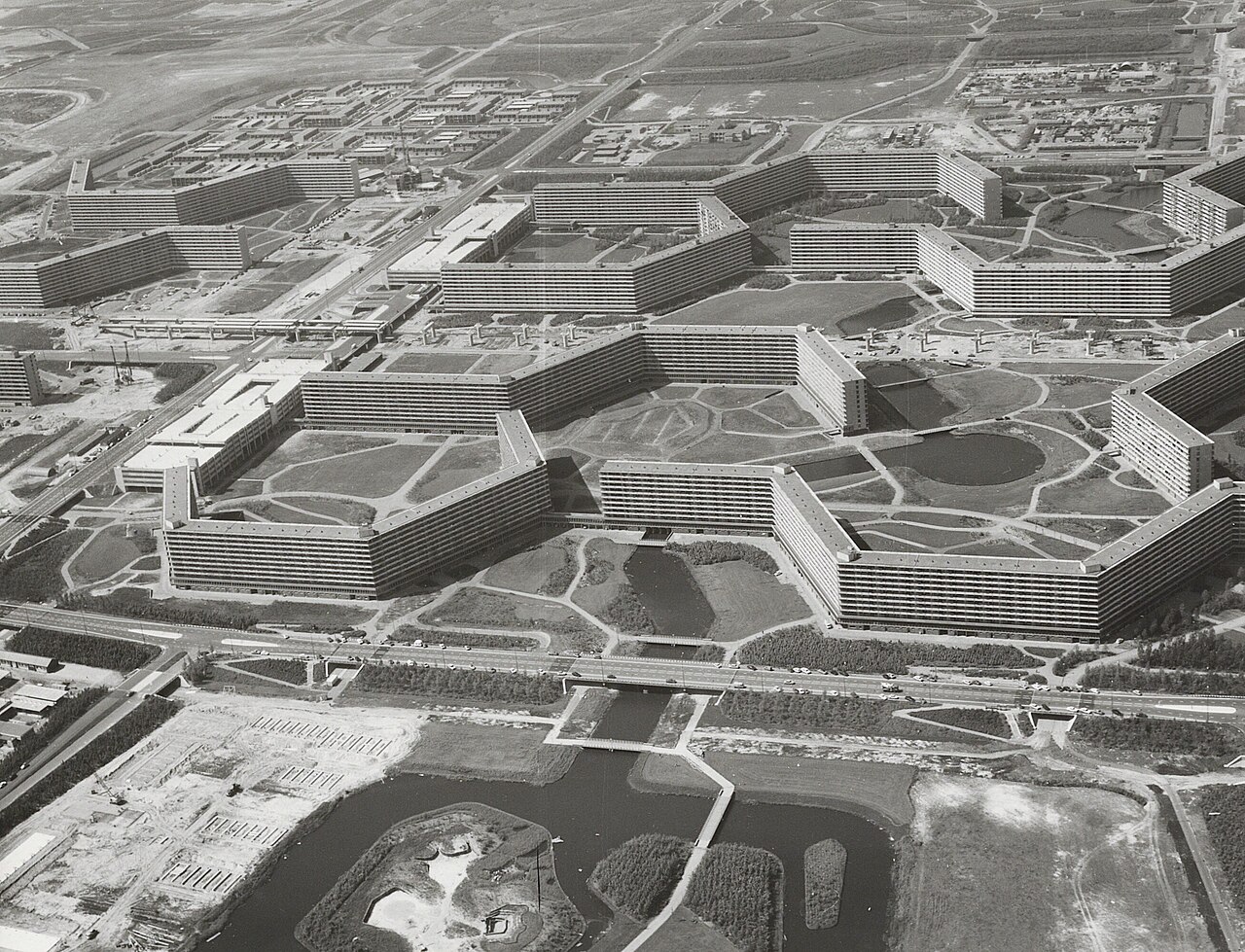
Bijlmer (City of the Future, Part 1)
99% Invisible, 2018
The Bijlmermeer, Amsterdam's modernist city of the future in honeycomb slabs: how it failed, and how its residents made it work.
 Podcast episode
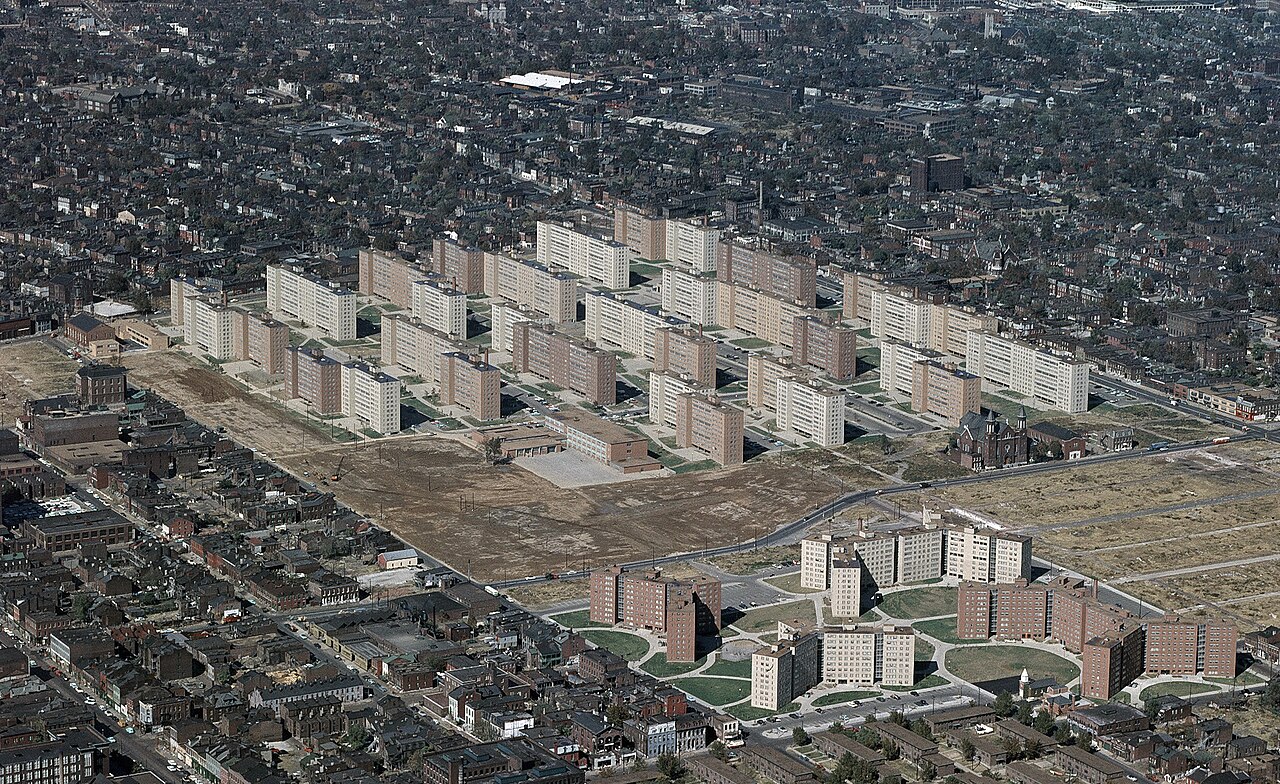
The Pruitt-Igoe Myth
99% Invisible, 2012
The 33 towers of Pruitt-Igoe in St. Louis, whose demolition was called the death of modern architecture, and the myths about why they failed.
 Podcast episode
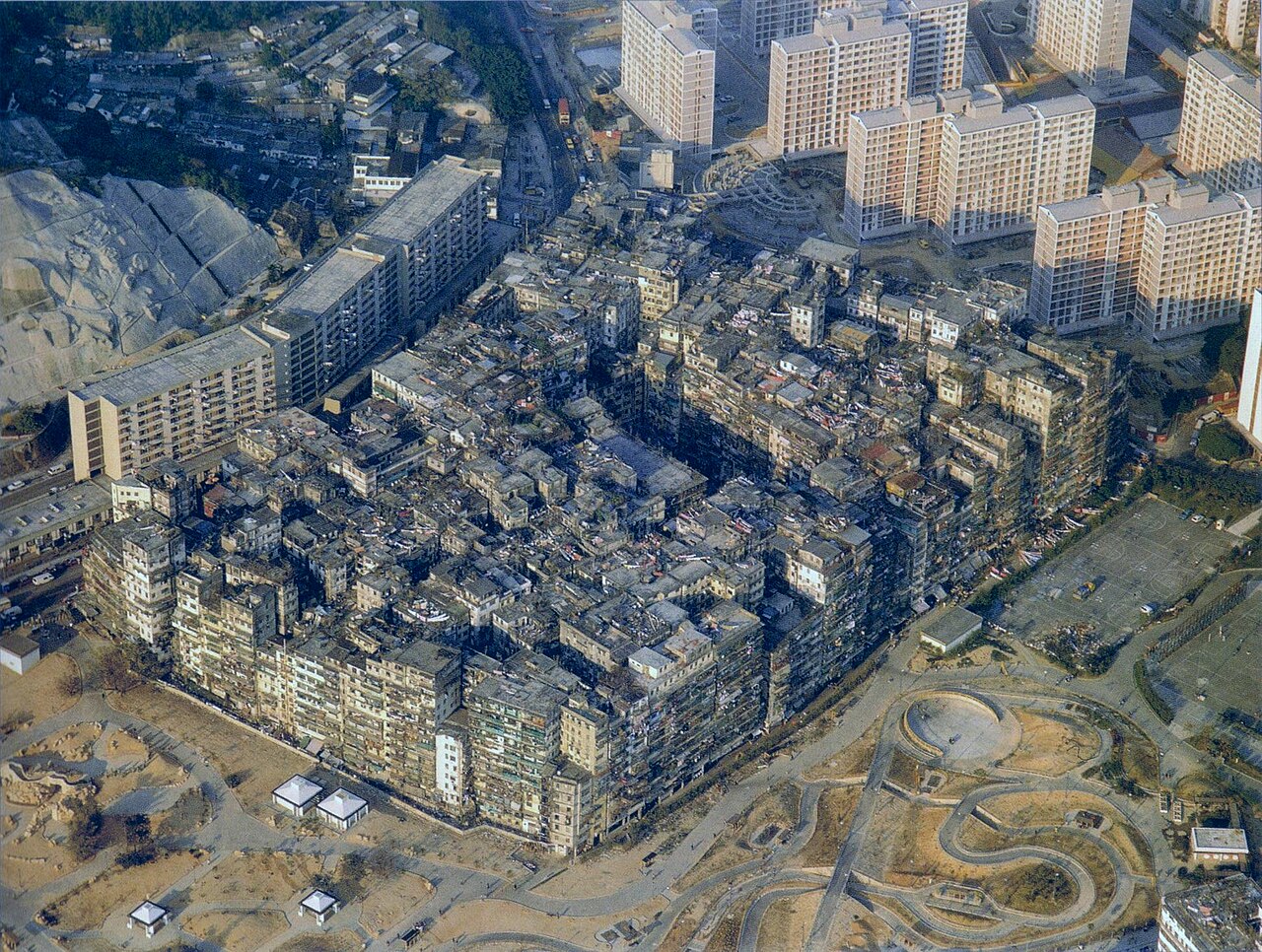
Kowloon Walled City
99% Invisible, 2012
Kowloon Walled City in Hong Kong: some 33,000 people on two and a half hectares, built without architects, until its demolition in 1993.
 Book
Landscapes of Communism: A History Through Buildings
Owen Hatherley, 2015
Twentieth-century communist Europe read through its buildings: avenues, housing estates, metro stations and memorials from Berlin to Moscow.
 Building
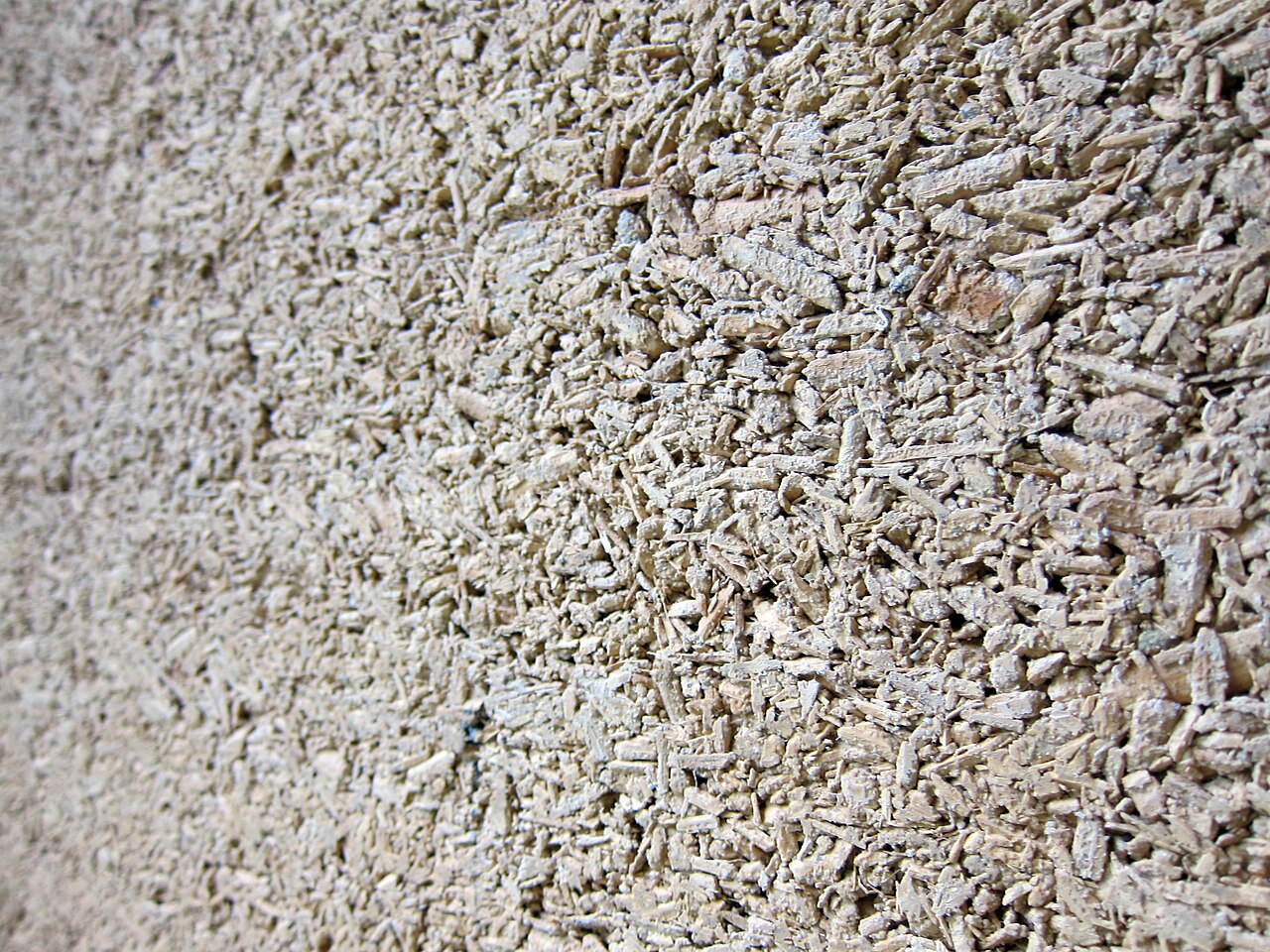
15 social flats in hemp concrete, Boulogne-Billancourt
North By Northwest Architectes for Immobilière 3F, 2021
Eight storeys of social housing near Paris with sprayed hemp concrete walls, which keep the flats at an even temperature and humidity without any cooling.
I
Limits and resilience
 Book
Panarchy: Understanding Transformations in Human and Natural Systems
Lance H. Gunderson and C. S. Holling (eds.), 2002
How ecosystems and societies move through repeating cycles of growth, rigidity, collapse and renewal, nested inside one another from the small to the large.
 Talk
Climate Talk: Blowing Through Our Carbon Budget
Kevin Anderson, 2024
The climate scientist who will not soften the numbers: how much carbon budget is left for 1.5 °C, and how fast the rich world is blowing through it.
 Documentary
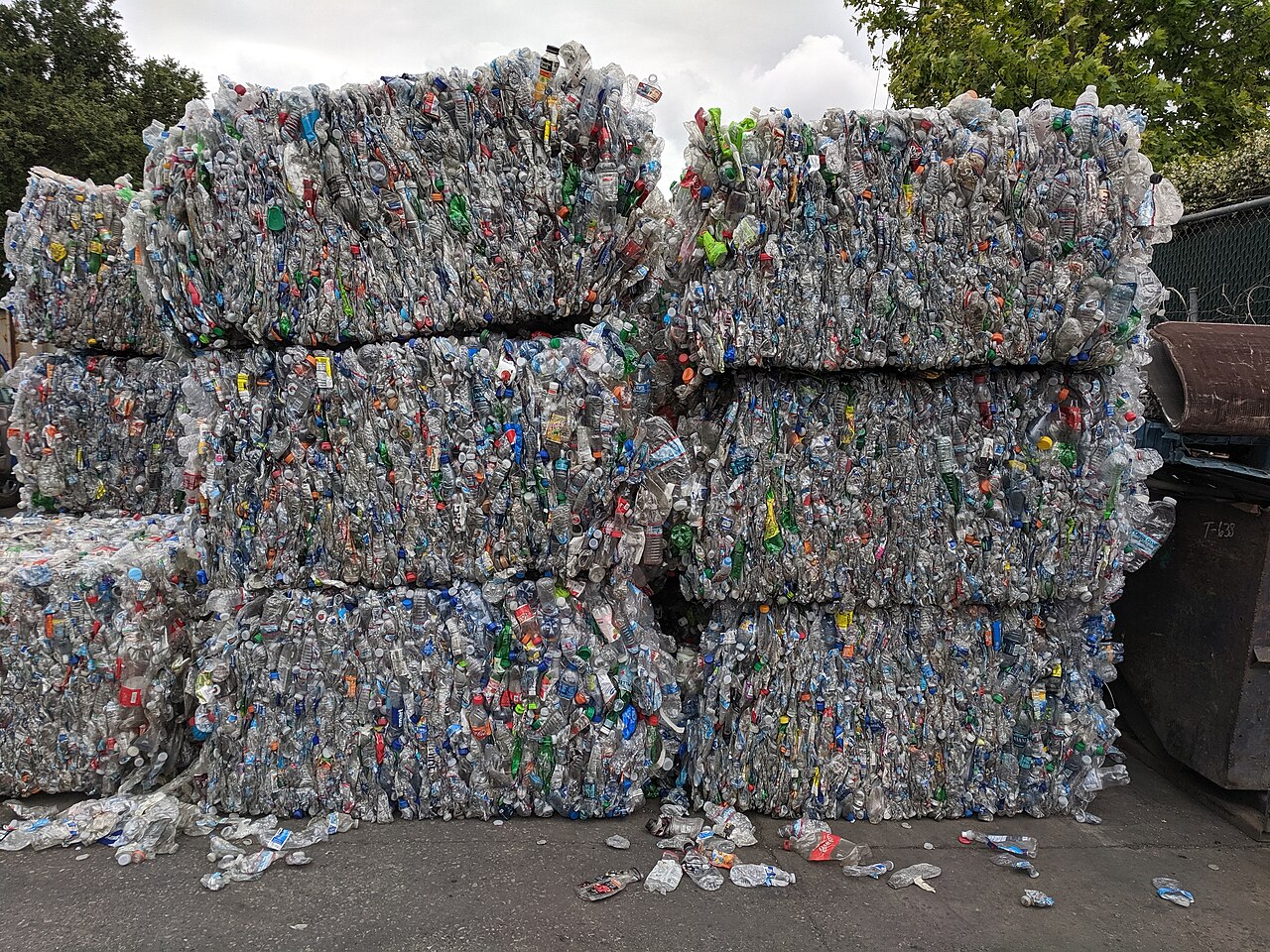
Plastic Promises: Coca Cola's Recycling Lie
ENDEVR Documentary, 2022
Coca-Cola's decades of promises to recycle its plastic bottles, tested against what actually happens to them.
 Article
Evolution keeps making crabs, and nobody knows why
Clare Watson, ScienceAlert, 2023
Carcinisation: the crab body plan evolved separately at least five times in decapods, king crabs and porcelain crabs among them, and some lineages lost it again.
 Talk
How trees talk to each other
Suzanne Simard, TED, 2016
The forest ecologist who fed trees radioactive carbon and traced it moving through fungal networks in the soil, from old trees to young ones and between species. Some of her wider claims are now debated.
Read something we should know about? Send it to us.
Write to us →See it in use